
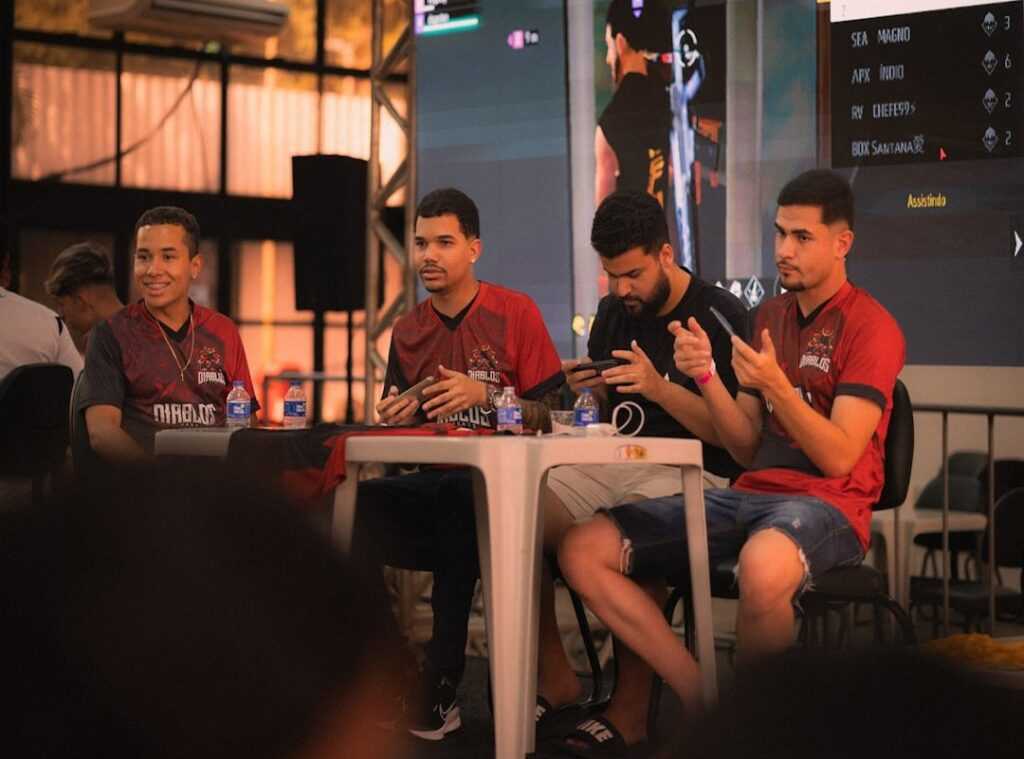
Ever watched a team of insanely talented gamers lose time and again, not because they lack skill, but because they can’t play as a unit? It’s frustrating, right? This article cuts to the core of team coordination esports and why even the best players falter without it.
I’ve spent years dissecting pro-team dynamics and tournament play. Trust me, the real winners aren’t just the most skilled players. They have systems.
They communicate. They win together.
I’m going to share a blueprint for transforming individual brilliance into cohesive teamwork. You’ll walk away with actionable strategies, tool recommendations, and communication protocols. No more excuses.
By the end, you’ll know exactly how to fix poor teamwork and open up your team’s potential. Ready to stop losing? to the secrets of elite collaboration.
The Three Pillars of Unbreakable Teamwork
Let’s be real. Generic advice like “communicate more” doesn’t cut it in team coordination esports. It’s like telling a chef to just “cook better.” You need a solid foundation.
So, let’s talk about the three pillars that actually matter.
First, there’s the Shared Mental Model. Every player should know the game plan, win conditions, and have default reactions to common scenarios. Imagine playing Valorant.
Everyone instinctively knows the default post-plant setup on a specific site. No need for a huddle. This isn’t just helpful (it’s) game-changing.
Then comes Fast Information Flow. Forget chaotic comms. We’re talking about delivering the right info, concisely, at the right time.
You know, like the “I-E-D” approach: Information, Execution, Debrief. It structures comms during a round. It’s not about talking more.
It’s about talking smart.
And let’s not skip Psychological Safety. This is the bedrock. It’s an environment where players can give and receive feedback, make mistakes, and suggest ideas without fear.
Think about it. Without this, there’s no room for rapid improvement. Teams thrive when they aren’t afraid to speak up or fail.
Want to see this in action? Check out how tournament mentality staying calm plays out in high-pressure settings.
That’s teamwork. No fluff, just a strong foundation. It’s not rocket science, but it takes effort.
And yes, it works.
From Chaos to Clarity: Your Communication Playbook
Jumping from theory to action can be messy. But if you’re serious about team coordination esports, a solid playbook is your secret weapon. Why?
Because it takes chaos and turns it into clarity.
First, let’s talk about standardizing callouts. You can’t have a free-for-all where everyone’s using different terms. It’s like trying to speak a foreign language with only half the vocabulary.
Short, consistent terms for locations, abilities, and situations are key. They cut down on confusion and speed up response time. You want everyone on the same page, right?
Next up, the In-Game Leader (IGL). This role is key. The IGL keeps the team focused, making sure everyone knows their role.
Establishing a clear chain of command is a game-changer. Why does this matter? Because when the heat is on, you need one voice leading the charge.
Mid-round calls are a thing too. Sometimes the IGL needs to pivot, and that’s where the real magic happens.
What about the rest of the team? They should chime in with important info, but only when it matters. You don’t want to drown out key calls with noise.
Now, let’s introduce a structured VOD review session. This isn’t just about watching your gameplay; it’s about communication. Use a checklist.
Were our comms clear? Was the info timely and on point? Did we over-communicate?
And most importantly, did we follow the IGL’s call? Answering these questions helps refine your communication plan.
Remember, your playbook isn’t static. It’s a living document. Update it after every scrim and match.
It’s important to adapt and evolve. Staying static is a surefire way to get left behind.
Oh, and if you’re looking to dive deeper into building teamwork and leadership through esports, there’s a wealth of knowledge out there to explore.
Pro tip: Keep your playbook simple and accessible. Everyone should have it at their fingertips. A complex system is a broken system.
The Right Tools for the Job: Esports Gear That Wins
When it comes to team coordination esports, having the right tools is like having the right gear. You wouldn’t go into a game without your best setup, so why go into practice without the right tech? Voice comms platforms like Discord are important, but are you using them right?
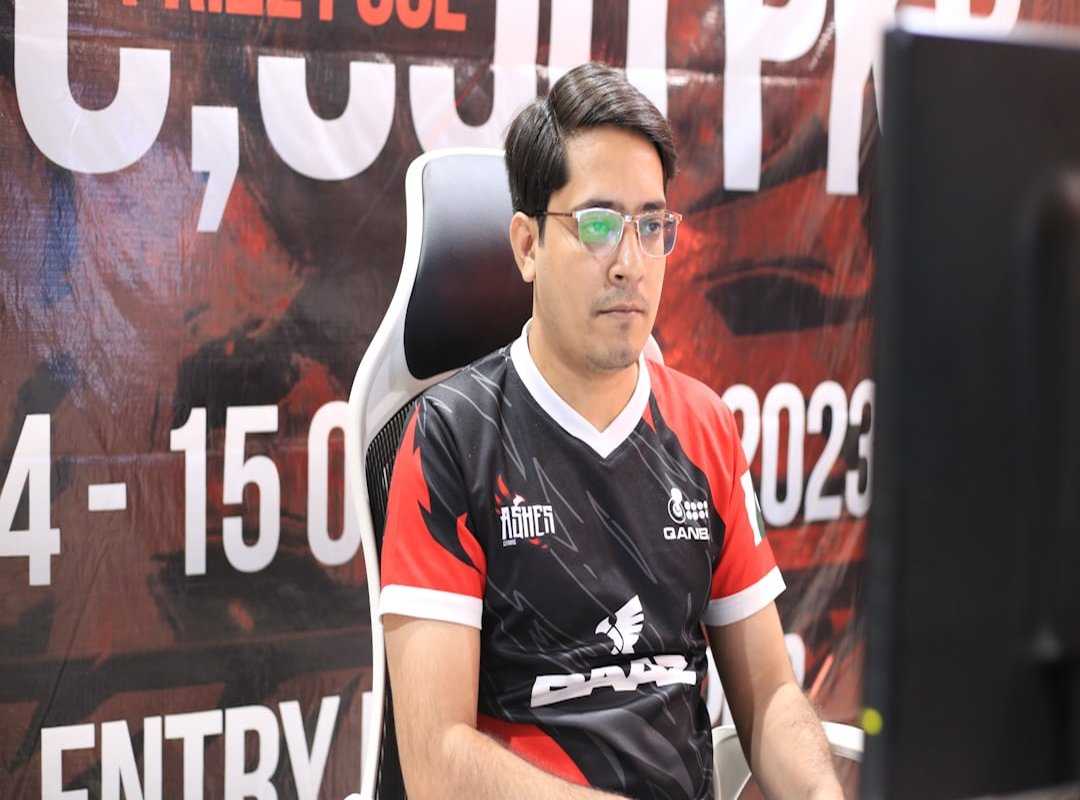
Set up dedicated channels for plan talks versus casual chat. Push-to-talk is a must to cut down on background noise (trust me, nobody wants to hear your dog barking mid-strat). And noise suppression features?
Turn those on.
Now, let’s talk plan and review tools. Strats.gg and Refrag are my go-tos. They let teams visualize strategies and review gameplay together.
It’s like having a digital whiteboard where you can draw up plays and discuss executes or defensive holds. Does your team do this? If not, you’re missing out on a whole layer of planning.
Even simple screen sharing can make a difference.
Scheduling is another beast. Google Calendar or a dedicated Discord channel can keep everyone in the loop. Scrims, reviews, practice sessions.
They all need to be scheduled. Respect your teammates’ time. Nobody wants to be the one who forgot about practice.
Being organized isn’t just professional; it’s important.
And while we’re on the topic of organization, check this out: Analyzing Opponents Intel Tournaments. It’s a solid read on gathering intel, which is just as important off the server as on it.
So, what’s your excuse for not having these tools in place? Equip your team with the right tech stack, and watch how it transforms your coordination and gameplay. Your setup off the server is just as important as on it.
Sidestepping the Saboteurs: How to Overcome Common Collaboration
Even the best systems can flop if the human factor goes haywire. Team coordination in esports can be fragile, right? Ego clashes and tilted attitudes can derail it all.
Mid-game tension? Call a “reset.” Everyone takes a deep breath. Forget the last mistake.
Focus on what’s next.
Then there’s the other problem: information overload vs. silence. Both can kill a team’s momentum. You don’t need a play-by-play if it’s irrelevant.
Burnout. It’s that slow monster creeping into the team psyche. Without clear collaboration, it hits faster than losing streaks.
So, here’s a rule: if it doesn’t help us win now, save it for the debrief. Keeps the airwaves clear and the focus sharp.
Constant friction? That’s a recipe for disaster. Good collaboration isn’t just about plan.
It’s about energy conservation. It makes the game sustainable and, dare I say, fun.
Think about it. When you’re not wasting energy on ego wars or useless chatter, you’re saving that mental stamina for what really counts. The future of esports relies on fast teamwork, not just flashy plays.
Keep these saboteurs at bay, and watch your team thrive. Surprised? You shouldn’t be.
Winning is about smart coordination, not just skill.
Win Together, Not Alone
You know it: individual talent is good, but it hits a ceiling. The real magic happens with team coordination esports. Frustrating, isn’t it, when your team doesn’t live up to its potential because you’re not working together?
I get it. The solution is simple. Embrace a structured approach.
Use the pillars, playbooks, and tools we’ve covered. They’re designed to boost your game.
Here’s your move. Pick one thing from this guide (like) standardizing your map callouts. Set up it in your next practice session.
Start small. See the difference. Let’s transform frustration into victory.
Ready to be champions? Step up.