

If you’re searching for clear, up-to-date insights on the latest shifts in competitive gaming and platform growth, you’re in the right place. The esports and multiplayer landscape is evolving rapidly — from balance changes that redefine tournament metas to platform updates that reshape how players connect, compete, and monetize their skills.
This article breaks down the most important trends in core gameplay strategy, multiplayer ecosystem development, and gaming studio acquisitions, so you can understand not just what’s happening — but why it matters. Whether you’re preparing for your next event, refining your competitive approach, or tracking long-term industry movement, we focus on practical takeaways you can actually use.
Our analysis draws on tournament data, platform performance metrics, and expert breakdowns from across the competitive scene. Instead of surface-level commentary, you’ll get structured insights designed to help you stay ahead of shifting metas, emerging platforms, and high-impact strategic changes shaping today’s gaming environment.
The Modern Playbook for Acquiring a Game Studio
The video game industry is a landscape of giants, but many were built through strategic acquisitions.
This guide compares two paths: buying scale or buying creativity.
A vs B: Scale or Spark
In gaming studio acquisitions, you either target established franchises with predictable revenue or boutique teams with breakout potential.
Both options carry different risks and rewards.
- Established studios offer: brand equity, live service data, proven pipelines
- Indie studios offer: nimble culture, fresh IP, lower upfront costs
Some argue bigger is safer. Others say smaller is smarter.
Alignment beats size.
Why Now? Understanding the Current M&A Landscape in Gaming
First, consider the consolidation wave. Major players like Microsoft, Sony, and Tencent are acquiring studios to secure exclusive titles and top-tier talent. In simple terms, consolidation means fewer companies controlling more content. If you’re tracking opportunities, start by listing which publishers lack strong exclusives—those are the most likely buyers. Watching gaming studio acquisitions announcements can signal where the market is heading next.
Next, there’s the hunt for IP (intellectual property, meaning recognizable franchises like Halo or Final Fantasy). Proven IP reduces risk because it comes with built-in audiences. As a practical step, evaluate whether a studio owns original IP or relies on contract work; ownership dramatically increases acquisition appeal.
Meanwhile, live service expertise—games updated continuously with seasons or battle passes—has become gold. Recurring revenue is predictable (and investors love predictable).
Finally, market corrections lower valuations. When funding tightens, well-run but cash-strapped studios become realistic targets.
Identifying the Right Target: Due Diligence Beyond the Balance Sheet
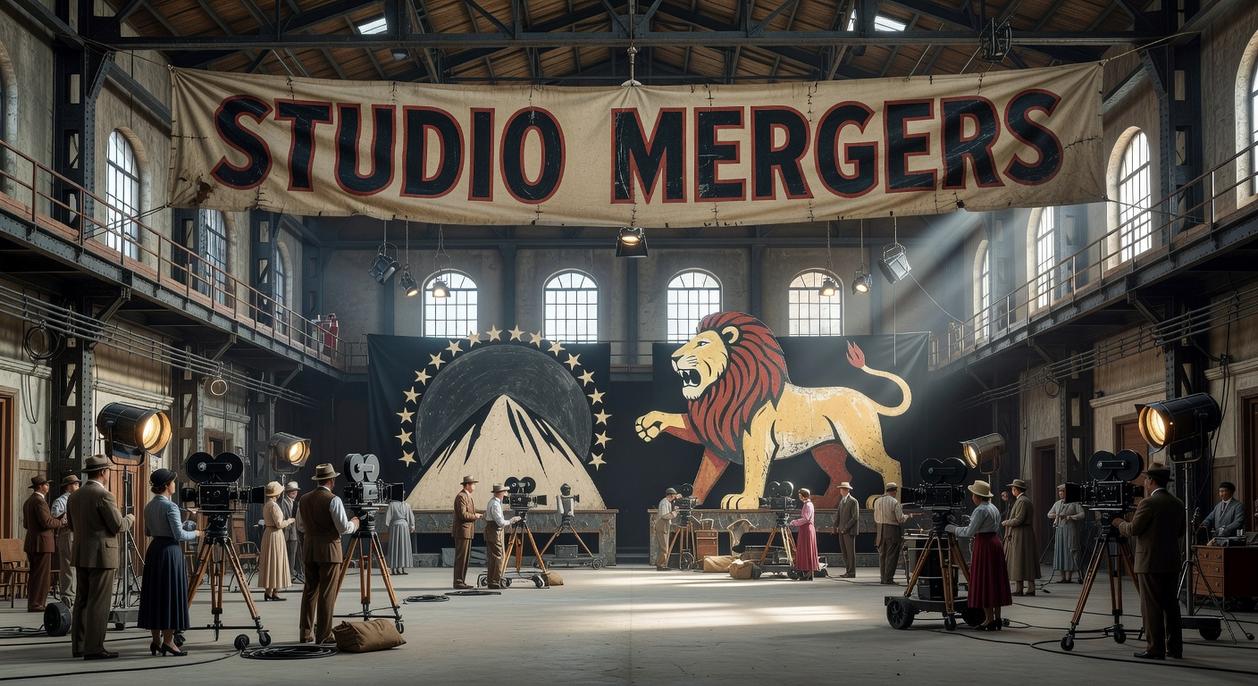
Financials tell you where a studio has been. They don’t tell you whether it can ship the next hit. If you’re evaluating targets—especially in gaming studio acquisitions—start with the people.
Assessing the Core Team
Don’t stop at founders. Scrutinize lead designers, senior engineers, and art directors. These are the individuals who turn concepts into playable worlds. Ensure key contributors are protected by retention packages or performance-based incentives (equity that vests over time is common). Retention risk—the chance top talent leaves post-acquisition—can quietly erode value.
Culture matters just as much. A corporate acquirer with layered approvals can suffocate a fast-moving indie studio (think creative friction worthy of a reality TV meltdown). Interview team leads. Review decision-making workflows. If collaboration feels forced, reconsider.
Deconstructing the Technology Stack
Determine whether the studio relies on licensed engines like Unreal or Unity, or uses proprietary tech (software built in-house). Proprietary tools can create defensible advantages—but they can also be outdated or poorly documented.
Recommendation: Commission a third-party technical audit before signing. Evaluate pipeline efficiency—how quickly assets move from concept to playable build—and release cadence predictability.
| Area | What to Check | Why It Matters |
|---|---|---|
| Engine | Licensed vs proprietary |
Cost, flexibility, scalability |
| Pipeline | Tool automation level | Speed and cost control |
| Documentation | Code clarity | Onboarding, maintenance |
Analyzing the Community and IP
Community health is measurable. Track Discord activity, sentiment analysis, and retention metrics (the percentage of players who return over time). According to industry benchmarks, strong live-service titles often target 30–40% Day-30 retention (Newzoo, 2024).
Finally, assess IP expansion potential. Can it evolve into film, merchandise, or new genres? If the universe feels expandable—like The Witcher before Netflix noticed—you may have more than a game. You may have a franchise.
The Art of Valuation: How Much is a Game Studio Really Worth?
Valuing a game studio starts with standard financial models. Discounted Cash Flow (DCF) estimates future cash flows and adjusts them to today’s dollars using a discount rate (Damodaran, 2012). Comparable Company Analysis (CCA) benchmarks the studio against similar publicly traded firms using revenue or EBITDA multiples (Koller et al., Valuation, 2020). Clean. Rational. Spreadsheet-friendly.
But here’s my take: those models rarely capture the magic.
The Talent Premium
A cohesive, high-performing dev team is an intangible asset. Think of it as a multiplier on baseline valuation. If a team consistently ships hits on time, that reliability reduces execution risk. I’d argue that alone can justify a 20–40% premium in gaming studio acquisitions (yes, culture compounds).
IP Valuation
Unreleased projects and franchise potential? Part science, part educated guess. Analysts model projected sales, attach probabilities, and discount heavily. Still, brand recognition—like what fuels the rise of cross platform gaming and what it means for players—can dramatically lift lifetime value. Some say you shouldn’t price hype. I disagree. Hype, when backed by community metrics, converts.
Platform & Engine Value
Proprietary engines or backend tech deserve standalone valuation. If reusable across multiple titles, they’re force multipliers. Pro tip: isolate projected cost savings and licensing upside before folding them into enterprise value.
In my view, valuation isn’t just math. It’s conviction backed by evidence.
Navigating the Deal: Key Stages and Common Pitfalls
Every acquisition is a bit like launching a new multiplayer campaign: everyone’s excited, but one bad move can wipe the squad.
The Letter of Intent (LOI)
The Letter of Intent (LOI) is the matchmaking screen before the real battle begins. It outlines core terms—price, structure, timelines—while typically remaining non-binding (meaning it signals intent, not obligation). Clear language matters. Vague clauses are like unexplored map zones; they hide surprises you won’t enjoy later.
The Due Diligence Gauntlet
Due diligence is the boss level. Legal, financial, and technical teams verify every claim. Code reviews and IP ownership checks are non-negotiable—especially in gaming studio acquisitions. If you skip this step, you’re basically speedrunning with no armor.
Negotiating the Definitive Agreement
Now the final rulebook gets written. Key terms often include:
- Earn-outs (performance-based payments tied to future results)
- Employee retention packages to keep top talent
- Creative control clauses defining decision-making power
Common Pitfall #1: Underestimating Integration Costs
The sticker price isn’t the whole quest. Merging systems, cultures, and payroll is like combining two guilds with different playstyles—it takes time, tools, and patience.
Common Pitfall #2: The Founder Exodus
If founders aren’t properly incentivized, they leave—and take the vision with them. Without strong leadership continuity, even a great deal can feel like winning the match but losing the war.
Executing an acquisition for long-term wins comes down to three pillars: strategic fit, exhaustive due diligence on talent and tech, and a smart integration plan. Execution decides outcomes.
- Strategic fit means the target advances your roadmap, not distracts from it.
- Due diligence goes beyond balance sheets to culture, code quality, and leadership depth.
- Integration planning protects momentum on day one.
Some argue price is the risk in gaming studio acquisitions. I’m not convinced. Overpaying hurts, crushing a studio’s culture can erase value faster.
The path forward? Empower, don’t absorb. Provide resources, preserve autonomy, and let creators build the next blockbuster.
Level Up Your Competitive Edge
You came here to understand the latest multiplayer platform trends, tournament tactics, and the ripple effects of gaming studio acquisitions on the competitive scene. Now you have a clearer picture of how platform shifts, publisher strategy, and ecosystem changes directly impact your gameplay, team strategy, and long-term positioning.
The reality is simple: the meta is evolving faster than ever. New ownership structures, cross-platform integrations, and live-service models are reshaping how tournaments are run and how players prepare. If you ignore these shifts, you risk falling behind competitors who are already adapting.
Act on what you’ve learned. Track platform updates closely. Study how gaming studio acquisitions influence balance patches, prize pools, and league structures. Adjust your training and event prep accordingly. That’s how you stay ahead.
If you’re serious about dominating your next event, don’t rely on outdated strategies. Get expert breakdowns, real-time multiplayer insights, and proven tournament tactics trusted by competitive players. Stay informed, refine your approach, and start winning smarter today.

 Patriciavina McMillan writes the kind of expert breakdowns content that people actually send to each other. Not because it's flashy or controversial, but because it's the sort of thing where you read it and immediately think of three people who need to see it. Patriciavina has a talent for identifying the questions that a lot of people have but haven't quite figured out how to articulate yet — and then answering them properly.
They covers a lot of ground: Expert Breakdowns, Core Gaming Insights and Strategies, Multiplayer Platform Trends, and plenty of adjacent territory that doesn't always get treated with the same seriousness. The consistency across all of it is a certain kind of respect for the reader. Patriciavina doesn't assume people are stupid, and they doesn't assume they know everything either. They writes for someone who is genuinely trying to figure something out — because that's usually who's actually reading. That assumption shapes everything from how they structures an explanation to how much background they includes before getting to the point.
Beyond the practical stuff, there's something in Patriciavina's writing that reflects a real investment in the subject — not performed enthusiasm, but the kind of sustained interest that produces insight over time. They has been paying attention to expert breakdowns long enough that they notices things a more casual observer would miss. That depth shows up in the work in ways that are hard to fake.
Patriciavina McMillan writes the kind of expert breakdowns content that people actually send to each other. Not because it's flashy or controversial, but because it's the sort of thing where you read it and immediately think of three people who need to see it. Patriciavina has a talent for identifying the questions that a lot of people have but haven't quite figured out how to articulate yet — and then answering them properly.
They covers a lot of ground: Expert Breakdowns, Core Gaming Insights and Strategies, Multiplayer Platform Trends, and plenty of adjacent territory that doesn't always get treated with the same seriousness. The consistency across all of it is a certain kind of respect for the reader. Patriciavina doesn't assume people are stupid, and they doesn't assume they know everything either. They writes for someone who is genuinely trying to figure something out — because that's usually who's actually reading. That assumption shapes everything from how they structures an explanation to how much background they includes before getting to the point.
Beyond the practical stuff, there's something in Patriciavina's writing that reflects a real investment in the subject — not performed enthusiasm, but the kind of sustained interest that produces insight over time. They has been paying attention to expert breakdowns long enough that they notices things a more casual observer would miss. That depth shows up in the work in ways that are hard to fake.