
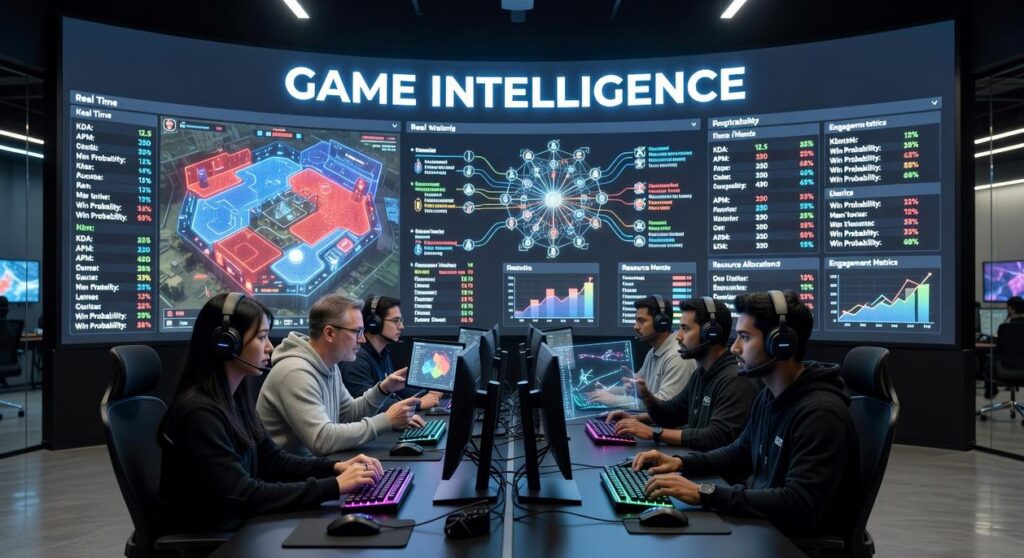
If you’re searching for sharper insights into today’s gaming landscape, you’re likely looking for more than surface-level commentary. You want to understand how multiplayer platforms are evolving, which tournament trends are shaping the meta, and how to apply proven competitive gaming strategies that actually translate into wins.
This article breaks down the most important shifts in core gameplay mechanics, emerging multiplayer dynamics, and event-based tournament tactics that serious players are using right now. Instead of recycling popular opinions, we analyze live match data, current platform updates, and expert gameplay breakdowns to identify what’s working—and why.
Whether you’re preparing for your next tournament or refining your ranked climb approach, you’ll find actionable insights grounded in real performance trends. Our analysis draws from high-level match reviews, community meta tracking, and structured gameplay evaluations to ensure you’re getting reliable, up-to-date guidance you can apply immediately.
Pillar 1: Forging Elite Mechanics with Deliberate Practice
Deliberate practice isn’t mindless grinding for six hours straight (that’s just speed-running burnout). It’s focused, structured training with a clear objective: identify a weakness, isolate it, improve it. Instead of “playing more,” you train smarter—and that’s what separates solid players from elite competitors.
Aim and Reflex Training
In-game training modes and third-party aim trainers let you isolate mechanics without match pressure. Work on:
- Tracking fast-moving targets
- Flick-shot accuracy between distant angles
- Target switching under time pressure
These drills build muscle memory—your body reacting before your brain finishes the thought. The benefit? Faster eliminations, cleaner duels, and fewer panic sprays when it matters most.
Movement Mastery
Aim wins duels. Movement wins survival. Strafing unpredictably, mastering tight peeks, or slide-canceling efficiently can make you nearly untouchable. Practice jiggle peeking around cover or timing directional changes against bots. Over time, you’ll notice enemies missing shots they “should” have hit. That edge compounds over a full match.
Game-Specific Skills
Every title has signature mechanics—build editing, recoil control patterns, or chaining ability combos. Drill these in controlled environments until execution feels automatic. This is where competitive gaming strategies truly shine: you’re not improvising—you’re executing.
The payoff? More consistency, better clutch potential, and measurable improvement each week. When mechanics become second nature, your mental bandwidth frees up for smarter decisions (and that’s when you start climbing for real).
Pillar 2: Developing Superior Game Sense and Decision Making

Raw mechanics win highlights. GAME SENSE wins championships. If aim is your engine, game sense is your GPS—without it, you’re just driving fast in the wrong direction.
Game sense is the ability to process in-game information and consistently choose the optimal play. Think of it like being a chess player in a first-person shooter: you’re not reacting to the current move, you’re planning three ahead (yes, even when your teammate is YOLO-pushing mid).
1. Active Information Gathering
Most players stare at what’s directly in front of them. Elite players HUNT for data. They scan the minimap every few seconds, track audio cues like footsteps or reloads, and read the kill feed like a stock ticker. This isn’t paranoia—it’s pattern recognition. According to cognitive load research, experts chunk information faster, freeing mental space for decisions (Sweller, 1988). Pro tip: set a mental timer to check your minimap every 5 seconds until it becomes automatic.
2. Predictive Playmaking
Maps have flow. Players have habits. When a bombsite falls, rotations follow predictable lanes. When someone whiffs, they often overpeek to compensate (ego is undefeated). By understanding common player psychology and competitive gaming strategies, you start intercepting enemies instead of chasing them.
3. Understanding Win Conditions
High-fragging isn’t always high-impact. Ten flashy kills mean nothing if you lose the objective. Ask: what actually secures the round? Is it stalling? Trading? Forcing utility? Like Moneyball, value the plays that win—not the ones that trend.
Pillar 3: The Out-of-Game Grind for In-Game Gains
Most players think improvement happens only in ranked matches. That’s comforting—and wrong. Real growth often starts after you hit “Save Replay.”
The Power of VOD Review
A VOD (Video on Demand) review is simply recording and analyzing your own gameplay. Instead of blaming teammates (we’ve all done it), pause and ask: What did I control? Look for recurring deaths, missed rotations, or greedy peeks. Patterns matter more than isolated mistakes.
How to Analyze Your Own Play
Use this quick checklist:
- Positioning errors: Were you overextended without vision or support?
- Decision-making: Did you contest an objective without numbers advantage?
- Mechanical failures: Missed skill shots, slow reactions, poor cooldown tracking?
- Objective awareness: Did a death cost a tower, dragon, or map pressure?
Many assume grinding more matches is the fastest path. However, one focused review can fix mistakes that would otherwise repeat for weeks.
Learning from the Pros
When watching tournaments, don’t just admire highlights. Ask, “Why did they rotate there?” or “Why give up that fight?” If you want deeper insight into reading patterns, study how to analyze opponent playstyles like a pro gamer.
Pros rely on disciplined competitive gaming strategies—not flashy plays.
Structuring Your Practice
Balance your week:
- 2 sessions mechanical drills
- 1–2 VOD reviews
- Focused ranked blocks with one improvement goal
Pro tip: End sessions early if focus drops. Tilt practice builds bad habits faster than skill.
Consistency in competitive play hinges on more than mechanics; it’s about managing the human element. Mental fortitude defines how you respond to setbacks. A single bad rotation or missed shot can spiral into tilt—an emotional state where frustration overrides decision-making. Some argue mindset talk is overrated, claiming skill alone wins tournaments. I disagree. Even elite teams use competitive gaming strategies to reset. Try box breathing or a 60-second break to interrupt negativity. Physical readiness matters just as much. Sleep deprivation slows reaction time; dehydration clouds focus; poor ergonomics risks injury. I predict future esports training will track biometrics as standard.
Take Control of Your Competitive Edge
You came here to sharpen your understanding of multiplayer platform trends, event-based tournament tactics, and the competitive gaming strategies that separate casual players from champions. Now you have a clearer roadmap of what it takes to adapt, outmaneuver opponents, and stay ahead of shifting metas.
The real challenge isn’t finding information — it’s knowing how to apply the right insights at the right time. Falling behind on trends, misreading platform updates, or entering tournaments unprepared can cost you rankings, rewards, and reputation.
That’s why your next move matters.
Stay locked in with The Hak Event for expert breakdowns, real-time platform insights, and proven competitive gaming strategies trusted by serious players. If you’re ready to stop guessing and start winning, dive deeper into our latest guides, follow our tournament analyses, and put these tactics into action today.
Your competition is already leveling up. Make sure you are too.