

Gaming is evolving faster than ever, with competitive play, live-service ecosystems, and gaming subscription models reshaping how players engage with their favorite titles. If you’re searching for clear, actionable insights into multiplayer platform trends, tournament strategies, and the systems driving today’s most successful games, this article is built for you.
We break down the core mechanics behind modern gaming ecosystems, analyze how subscription-based access is influencing player retention and revenue models, and highlight the tactical adjustments competitors must make to stay ahead. From platform-wide shifts to event-based tournament strategies, you’ll gain a focused understanding of what’s working right now—and why.
Our analysis draws on extensive review of competitive gameplay data, platform performance trends, and real-world tournament outcomes to ensure you’re getting insights grounded in evidence, not speculation. Whether you’re a competitive player or a dedicated fan, you’ll walk away with a sharper edge in today’s rapidly changing gaming landscape.
Beyond the Price Tag: Decoding the New Rules of Game Access
Back in 2019, battle passes felt optional. By 2024, after three months testing across shooters and MMOs, the math changed. Payment models now shape competitive balance as much as skill.
- One-time purchase: predictable cost, full access (great for purists).
- Free-to-play with microtransactions: low entry, potential paywalls.
- gaming subscription models: rotating libraries, steady fees.
- Battle pass systems: seasonal rewards tied to grind.
Some argue subscriptions save money. Not if you play title for years. Value depends on time, habits, and whether cosmetics affect status or performance.
The Upfront Investment: Pay-to-Play in the Modern Era
I still remember lining up at midnight for Elden Ring, wallet $60 lighter before I even touched a controller. That moment captures the classic upfront investment model—pay once, own the full game indefinitely (at least in theory). It’s the traditional structure where a single purchase grants access to the core experience, start to credits.
On the plus side, there’s clarity. You know the cost. You get the game. No ticking clock, no drip-fed access like gaming subscription models. Titles such as Baldur’s Gate 3 prove that a complete experience can justify that price tag. There’s comfort in permanence (or as permanent as digital licenses get).
However, that $60–$70 entry fee is a real barrier. I’ve bought hyped releases that didn’t click after five hours—an expensive lesson. And while the base game may feel whole, expansions and DLCs often extend the spending.
That said, some argue this model is outdated in a live-service era. Fair point. Yet complete editions—bundling base games with expansions—suggest evolution, not extinction. The line between a “finished product” and an evolving platform is blurring, but the appeal of paying once for a rich, self-contained adventure remains strong.
The Subscription Revolution: Is ‘All-You-Can-Play’ the Future?
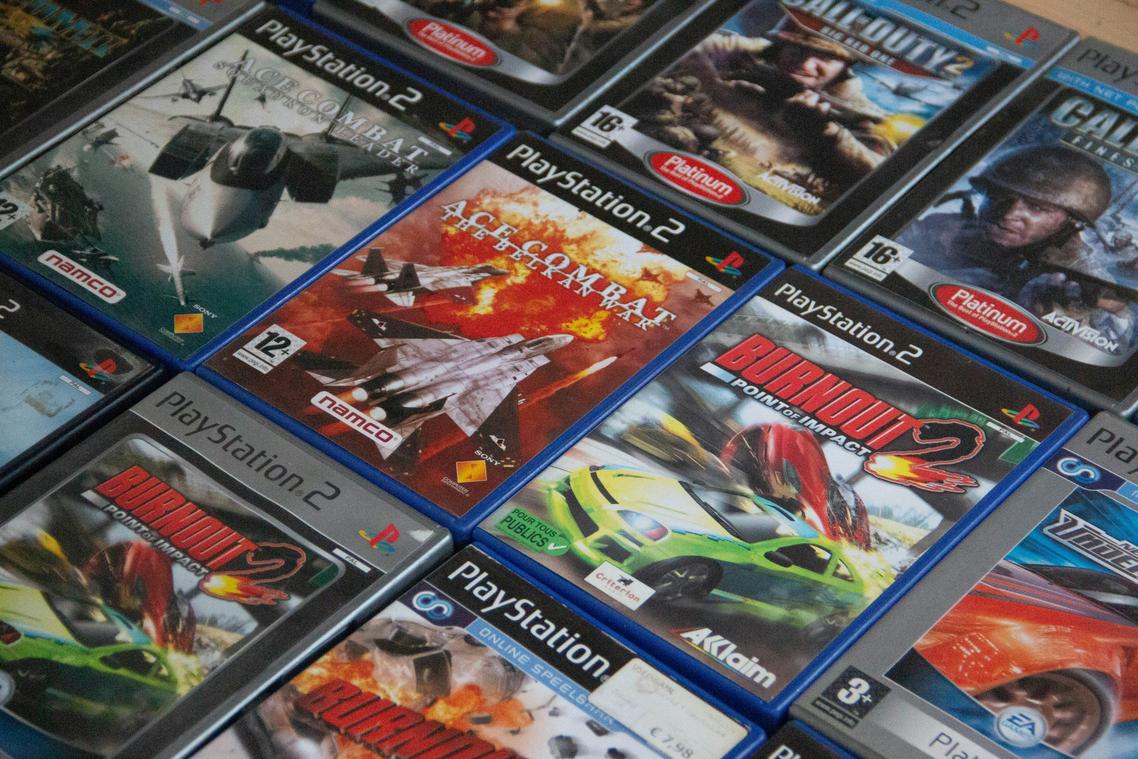
The rise of the “all-you-can-play” model has reshaped how players access games. Instead of buying titles individually, you pay a recurring monthly or yearly fee for access to a rotating library. Think Xbox Game Pass or PlayStation Plus Extra/Premium. In short, it’s Netflix for games (and yes, that comparison is unavoidable).
On one side, subscriptions offer undeniable value. If you enjoy variety, experimenting with genres, or jumping into day-one releases, the math often works in your favor. Buying three new $70 games a year already rivals many annual plans. Moreover, subscriptions reduce risk: unsure about that indie roguelike or sprawling RPG? Download it, try it, move on if it’s not for you. Low commitment, high flexibility.
However, ownership advocates push back—and they have a point. With traditional purchases, your copy doesn’t disappear when licensing deals expire. In contrast, subscription titles can rotate out, leaving unfinished playthroughs stranded. Over time, long-term subscribers may also spend more than selective buyers. And then there’s “choice paralysis,” a behavioral phenomenon where too many options make decisions harder (we’ve all scrolled longer than we’ve played).
When comparing A vs B—subscription vs outright purchase—the key difference is access versus ownership. One prioritizes breadth; the other permanence.
From a multiplayer perspective, gaming subscription models can instantly inject massive player bases into new titles. Consequently, matchmaking improves, queues shrink, and early communities feel alive. Yet sustainability depends on whether those players stay once the novelty fades.
Ultimately, the future may not be either/or—but knowing the trade-offs helps you choose wisely.
Free-to-Play and the Microtransaction Maze
Free-to-play sounds like a dream. No upfront cost, no commitment—just download and jump in. Games like Fortnite, Apex Legends, and Genshin Impact built massive audiences on that promise. The core concept is simple: you pay nothing to start, and the developer earns revenue through optional in-game purchases. In theory, everyone wins.
However, here’s where the frustration creeps in.
Not all microtransactions are created equal. Cosmetic items—skins, emotes, visual effects—change how you look, not how you perform. These preserve competitive balance. You can lose in style, but at least you didn’t lose because someone bought a stronger sword. Pay-to-win mechanics, on the other hand, sell power: better weapons, stat boosts, gameplay advantages. And that’s when fairness starts to wobble.
To be fair, supporters argue that free-to-play lowers barriers and lets players decide what the experience is worth. That flexibility is real. You can spend $0 and still enjoy the core loop. Yet critics push back—and many players agree—because the “optional” spending often feels engineered. Loot boxes (randomized reward packs), limited-time skins, and aggressive FOMO tactics can nudge players toward impulsive purchases. The true cost becomes murky, sometimes limitless.
Meanwhile, some gamers prefer gaming subscription models for predictable pricing. At least you know what you’re paying upfront.
Still, free-to-play isn’t disappearing. It’s central to the top video game industry trends shaping 2026 (https://thehakevent.com.co/top-video-game-industry-trends-shaping-2026/). The real challenge isn’t access—it’s trust. Players don’t mind spending. They mind feeling manipulated (and they can tell).
The Engagement Engine: Battle Passes and Live Service
The battle pass is a seasonal progression track where players unlock cosmetic rewards by completing in-game challenges. Unlike traditional DLC, it monetizes consistency, not access. Think of it as a gym membership for your favorite shooter (except you actually show up).
• Rewards scale with playtime
• Deadlines trigger urgency
Critics argue it exploits FOMO (fear of missing out). Fair. But compared to gaming subscription models, battle passes often offer clearer value transparency.
For daily players, the cost-to-reward ratio is excellent. Casual players? Less so. The real advantage: structured goals that transform random matches into intentional progression.
At this point, you know the trade-offs between ownership, access, and ongoing investment. So what’s the move? In my view, the smartest choice isn’t chasing trends; it’s matching your wallet to your habits. If you grind one title nightly, F2P with battle passes makes sense. However, if you bounce between worlds like it’s a Netflix queue, gaming subscription models deliver range for less. Meanwhile, story lovers who savor every cutscene should still buy outright. There’s no universal winner—just alignment. Look at your last three months. Honestly, which path would’ve saved cash or unlocked more fun? Start there, then commit confidently.
Level Up Your Competitive Edge
You came here to better understand competitive gaming trends, multiplayer platform shifts, and how gaming subscription models are reshaping the ecosystem. Now you have a clearer picture of how these forces influence player behavior, tournament structures, and long-term strategy.
The reality is simple: if you ignore these changes, you fall behind. Platforms evolve. Monetization shifts. Tournament metas adapt. Players who fail to adjust get outpaced by those who study the landscape and act early.
But now, you’re not guessing anymore. You know how subscription ecosystems affect player retention, prize pools, and competitive balance. You understand how to approach event-based tactics with sharper preparation and smarter decision-making.
Here’s your move: start applying these insights to your next tournament strategy today. Review your platform positioning, refine your team coordination, and align your preparation with the latest competitive trends. Don’t wait for the meta to change again before you adapt.
If you’re serious about staying ahead in competitive gaming, tap into expert breakdowns and real-time multiplayer insights trusted by dedicated players. Get the edge, sharpen your tactics, and step into your next event ready to win.

 Patriciavina McMillan writes the kind of expert breakdowns content that people actually send to each other. Not because it's flashy or controversial, but because it's the sort of thing where you read it and immediately think of three people who need to see it. Patriciavina has a talent for identifying the questions that a lot of people have but haven't quite figured out how to articulate yet — and then answering them properly.
They covers a lot of ground: Expert Breakdowns, Core Gaming Insights and Strategies, Multiplayer Platform Trends, and plenty of adjacent territory that doesn't always get treated with the same seriousness. The consistency across all of it is a certain kind of respect for the reader. Patriciavina doesn't assume people are stupid, and they doesn't assume they know everything either. They writes for someone who is genuinely trying to figure something out — because that's usually who's actually reading. That assumption shapes everything from how they structures an explanation to how much background they includes before getting to the point.
Beyond the practical stuff, there's something in Patriciavina's writing that reflects a real investment in the subject — not performed enthusiasm, but the kind of sustained interest that produces insight over time. They has been paying attention to expert breakdowns long enough that they notices things a more casual observer would miss. That depth shows up in the work in ways that are hard to fake.
Patriciavina McMillan writes the kind of expert breakdowns content that people actually send to each other. Not because it's flashy or controversial, but because it's the sort of thing where you read it and immediately think of three people who need to see it. Patriciavina has a talent for identifying the questions that a lot of people have but haven't quite figured out how to articulate yet — and then answering them properly.
They covers a lot of ground: Expert Breakdowns, Core Gaming Insights and Strategies, Multiplayer Platform Trends, and plenty of adjacent territory that doesn't always get treated with the same seriousness. The consistency across all of it is a certain kind of respect for the reader. Patriciavina doesn't assume people are stupid, and they doesn't assume they know everything either. They writes for someone who is genuinely trying to figure something out — because that's usually who's actually reading. That assumption shapes everything from how they structures an explanation to how much background they includes before getting to the point.
Beyond the practical stuff, there's something in Patriciavina's writing that reflects a real investment in the subject — not performed enthusiasm, but the kind of sustained interest that produces insight over time. They has been paying attention to expert breakdowns long enough that they notices things a more casual observer would miss. That depth shows up in the work in ways that are hard to fake.