
If you’re searching for ways to sharpen your tactical shooter game sense, you’re likely tired of relying on raw aim alone. You want to read the map faster, anticipate enemy rotations, make smarter utility decisions, and consistently outplay opponents before the first shot is even fired. This article is built to deliver exactly that.
We break down the core principles that separate average players from high-level competitors: positioning theory, information control, timing windows, risk assessment, and team-based decision-making. Instead of vague tips, you’ll get structured insights drawn from competitive match analysis, multiplayer trend evaluation, and proven tournament-tested strategies.
Whether you’re grinding ranked or preparing for organized play, this guide will help you understand not just what to do—but why it works. By the end, you’ll have a clearer framework for reading rounds, adapting mid-game, and making smarter calls under pressure.
Skill alone eventually stalls. You hit cleaner shots, yet coordinated teams still outmaneuver you. This framework shifts focus from reflexes to repeatable decisions.
First, awareness—your ability to read rotations, economy, and tempo. Think of it as battlefield radar (not psychic powers). Second, positioning—angles that trade safely and control space. Third, utility—using tools to shape fights before bullets fly.
Some argue raw aim wins anyway, and in lower tiers, maybe it does. I’m not entirely certain where that tipping point lies. However, at higher ranks, tactical shooter game sense consistently separates contenders from highlight reels.
Results follow disciplined, informed choices. Consistently.
Beyond the Crosshair: Cultivating Elite Situational Awareness
Mechanical aim might win duels, but awareness wins matches (and championships). If you want to elevate your tactical shooter game sense, you need to treat information as your most valuable resource.
Minimap Mastery
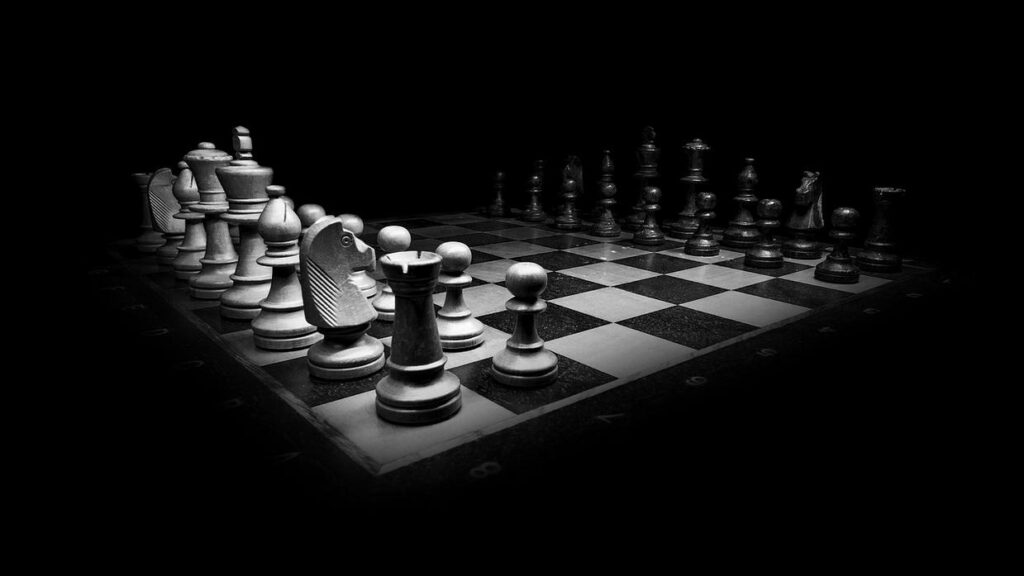
Stop glancing at the minimap. Start processing it every few seconds. Track teammate icons like chess pieces—who’s anchoring, who’s rotating, who’s overextended. When an ally disappears without a death marker, assume pressure. When two enemies were last seen top mid, expect a split. I recommend building a habit: quick minimap check after every reload, ability use, or kill. Over time, you’ll predict rotations before they unfold.
Reading the Soundscape
Footsteps are just the beginning. Distinguish between metal, wood, and concrete surfaces to pinpoint pathing. Identify reload clicks versus weapon swaps. Recognize ability audio cues to estimate cooldowns. Close your eyes in a replay and listen—could you map the round from sound alone? (If not, that’s your homework.)
The Information Game
Play for info before you play for kills. Jump-peek tight angles. Jiggle for sniper shots. Use recon abilities early to confirm presence. Even baiting a single bullet reveals positioning and economy clues. Pro tip: if you can force utility without losing health, you’re winning the trade.
Predictive Play
Synthesize everything—minimap gaps, fading footsteps, utility patterns. If defenders burned two stall abilities, expect a fast retake. If mid is silent, anticipate a late flank. Don’t react. Anticipate. That’s how elite players seem “psychic.” They’re not guessing—they’re processing.
Winning Fights Before They Start: The Art of Positioning and Movement
Most players think gun skill wins fights. I disagree. Positioning wins fights before the first bullet leaves the chamber.
Abusing Angles
Holding a common angle means aiming where enemies expect contact. An off-angle is a slightly shifted position that forces opponents to adjust their crosshair placement. That split-second correction? That’s your edge. This ties into angle advantage—the idea that the player farther from a corner often sees the opponent first due to perspective rendering (a quirk documented in multiple competitive FPS breakdowns, including analyses by Riot and Valve developers).
Sure, some argue that sticking to standard angles is “safer.” And sometimes it is. But predictable players get pre-aimed. I’d rather be uncomfortable and alive than comfortable and eliminated.
Mastering Cover
There are two types:
- Hard cover – Completely impenetrable objects.
- Soft cover – Surfaces that can be shot through or destroyed.
Hard cover buys certainty. Soft cover buys time. The mistake? Getting stuck. Dynamic repositioning—shifting after every burst—keeps enemies guessing (think John Wick, but with better crosshair placement).
Pro tip: If you haven’t moved after two engagements, you’re already predictable.
Rotations and Timings
Rotating isn’t panicking. It’s informed movement. Use the clock and objective timers to decide whether to reinforce or anchor. This is where macro vs micro strategy mastering decision making in real time becomes critical. Macro is map movement; micro is the duel in front of you.
Isolating Engagements
Great positioning turns chaotic 5v5s into controlled 1v1s. Use chokepoints, elevation, and line-of-sight breaks to limit exposure. That’s real tactical shooter game sense. And in my experience, it separates highlight hunters from consistent winners.
Your Arsenal is More Than Guns: Dominating with Utility
If you think your aim alone wins rounds, I’ll be blunt—you’re playing checkers in a chess lobby. Utility is what separates highlight hunters from consistent winners.
Proactive vs. Reactive Utility
Proactive utility prevents problems before they start. Smoking off a sniper lane before crossing denies information and forces repositioning. Reactive utility, like flashing after getting pushed, solves a problem that already exists. Both matter, but I strongly believe proactive play wins more rounds. It dictates tempo. (And tempo is everything.) When you control space before contact, you’re not gambling—you’re engineering the fight.
Layering Abilities for Execution
Great teams don’t throw abilities randomly; they stack them with purpose. A recon drone spots defenders. Smokes block crossfires. Flashes trigger entry. That sequence isn’t flashy—it’s clinical. Think Ocean’s Eleven, but with grenades. Each piece covers the weakness of the next. Use tactical shooter game sense to anticipate where pressure forces rotations, then layer utility to collapse the site decisively.
Resource Management
Utility is finite. Waste it early and your late-round options evaporate. I’ve seen too many rounds lost because players “just used” a flash for chip damage. Save key abilities for round-defining moments—retakes, post-plants, or clutch scenarios. Discipline wins championships.
Counter-Utility
This is the highest tier of play. Destroy enemy traps. Smoke off recon tools to nullify vision. Counter-utility turns their investment into dead weight. In my view, this is where real strategy shines—outthinking, not outshooting. (Anyone can click heads. Not everyone can outmaneuver minds.)
Last year, I was hard stuck in ranked, blaming my aim and my teammates for every loss. Then a friend told me to stop chasing highlights and start mastering the basics. That shift changed everything. This guide has shown that tactical skill is a learnable process built on awareness, positioning, and utility management. In other words, you do not need superhero reflexes to dominate.
At first, I doubted it. Wasn’t raw aim the deciding factor? Yet once I focused on tactical shooter game sense, I began predicting pushes, rotating earlier, and using smokes before chaos erupted. As a result, my performance stabilized. Even on bad aim days, I contributed.
By concentrating on core concepts, you create consistency instead of gambling on mechanics. So in your next session, choose one focus, maybe tracking audio cues or proactively deploying utility, and commit to it. Build the habits, and the ranks will follow.
Master the Meta and Win More Matches
You came here to sharpen your edge in competitive play—and now you understand how smarter positioning, tighter communication, and smarter adaptation separate average players from tournament contenders.
The biggest frustration in multiplayer competition isn’t losing—it’s knowing you could’ve played better. Missed rotations. Poor utility timing. Split-second hesitation. That’s where refined tactical shooter game sense turns chaos into control.
The difference between climbing ranks and staying stuck comes down to preparation and informed decision-making. When you study platform trends, analyze tournament strategies, and apply structured tactics, you stop reacting—and start dictating the pace of the match.
Now it’s your move.
If you’re serious about leveling up, dive deeper into advanced breakdowns, stay ahead of evolving multiplayer metas, and apply proven event-tested tactics in your next session. Join thousands of competitive players who rely on our expert insights to sharpen their strategy and dominate high-stakes matches.
Queue up smarter. Compete sharper. Win more.

 Patriciavina McMillan writes the kind of expert breakdowns content that people actually send to each other. Not because it's flashy or controversial, but because it's the sort of thing where you read it and immediately think of three people who need to see it. Patriciavina has a talent for identifying the questions that a lot of people have but haven't quite figured out how to articulate yet — and then answering them properly.
They covers a lot of ground: Expert Breakdowns, Core Gaming Insights and Strategies, Multiplayer Platform Trends, and plenty of adjacent territory that doesn't always get treated with the same seriousness. The consistency across all of it is a certain kind of respect for the reader. Patriciavina doesn't assume people are stupid, and they doesn't assume they know everything either. They writes for someone who is genuinely trying to figure something out — because that's usually who's actually reading. That assumption shapes everything from how they structures an explanation to how much background they includes before getting to the point.
Beyond the practical stuff, there's something in Patriciavina's writing that reflects a real investment in the subject — not performed enthusiasm, but the kind of sustained interest that produces insight over time. They has been paying attention to expert breakdowns long enough that they notices things a more casual observer would miss. That depth shows up in the work in ways that are hard to fake.
Patriciavina McMillan writes the kind of expert breakdowns content that people actually send to each other. Not because it's flashy or controversial, but because it's the sort of thing where you read it and immediately think of three people who need to see it. Patriciavina has a talent for identifying the questions that a lot of people have but haven't quite figured out how to articulate yet — and then answering them properly.
They covers a lot of ground: Expert Breakdowns, Core Gaming Insights and Strategies, Multiplayer Platform Trends, and plenty of adjacent territory that doesn't always get treated with the same seriousness. The consistency across all of it is a certain kind of respect for the reader. Patriciavina doesn't assume people are stupid, and they doesn't assume they know everything either. They writes for someone who is genuinely trying to figure something out — because that's usually who's actually reading. That assumption shapes everything from how they structures an explanation to how much background they includes before getting to the point.
Beyond the practical stuff, there's something in Patriciavina's writing that reflects a real investment in the subject — not performed enthusiasm, but the kind of sustained interest that produces insight over time. They has been paying attention to expert breakdowns long enough that they notices things a more casual observer would miss. That depth shows up in the work in ways that are hard to fake.