

Your team has the mechanics to win—but missed cues, delayed rotations, and silent pushes are costing you matches. Text chat is too slow, and pings can’t capture urgency or strategy. The real difference-maker is multiplayer voice integration done right. In this guide, we break down how to turn scattered callouts into structured, decisive communication. From selecting the right platform to applying the same voice protocols used by high-level competitive teams, you’ll get a practical framework that increases coordination and win rate. Built on analysis of tournament play and proven team tactics, this article shows you how to transform skill into synergy.
The Limits of Pings: When Clicks Can’t Convey Context
The Ambiguity Problem
A red “danger” ping feels urgent—but what does it actually mean? One flanking Reyna in B Alley on Ascent, or the entire squad rotating through Market with ultimates online? In high-ELO ranked queues across NA East servers, that distinction decides rounds. Pings signal something is wrong, but not the scale, cooldown status, or health bars involved. Context wins gunfights. Without it, teammates guess (and guessing gets you sent back to spawn).
Reaction Time Deficit
Typing “save util, they’re faking” mid-retake is fantasy. Tactical shooters and battle royales operate in milliseconds. That’s where multiplayer voice integration changes the tempo—instant callouts, layered info, live adjustments. Some argue pings reduce toxicity, and that’s fair. But silence also slows coordination when every second matters.
The Morale Factor
Silent lobbies tilt fast. After a 12–12 choke, voice lets teams reset, crack a joke, and refocus (yes, vibes matter). As explored in the future of subscription based multiplayer services, communication tools increasingly shape competitive ecosystems.
The Voice Platform Dilemma: In-Game vs. Third-Party Apps
When it comes to team communication, the debate between in-game voice chat and third-party platforms isn’t just about preference—it’s about performance.
First, consider convenience. In-game voice chat offers instant access with zero setup. You queue, you connect, you talk. For solo players or matchmaking with strangers, that frictionless entry matters. According to a 2023 report by Newzoo, over 70% of multiplayer gamers rely on built-in communication tools when playing with random teammates. The reason is simple: fewer barriers mean faster coordination (and fewer “Can you hear me?” moments).
However, convenience comes at a cost. Multiple comparative tests by PC Gamer and RTINGS have found that Discord consistently delivers clearer audio and stronger noise suppression than most default in-game systems. That difference becomes critical in high-stakes scenarios where split-second callouts determine outcomes. Poor clarity doesn’t just annoy—it directly impacts win rates.
On the other hand, critics argue that requiring third-party apps fragments teams. Not everyone wants another download. That’s fair. Casual groups often prioritize simplicity over optimization.
Yet for dedicated squads, the data supports upgrading. Persistent channels, individual volume controls, and advanced moderation tools foster stronger team cohesion. Research from the University of York on cooperative gameplay shows structured communication systems improve group coordination and overall performance. In other words, better tools create better teamwork.
So what’s the move? Use in-game chat for quick sessions and solo queues. But if you’re building synergy and refining multiplayer voice integration, third-party platforms become the competitive standard (yes, it’s the difference between garage band and studio recording).
The Pillars of Elite Communication: Calm, Clear, Concise
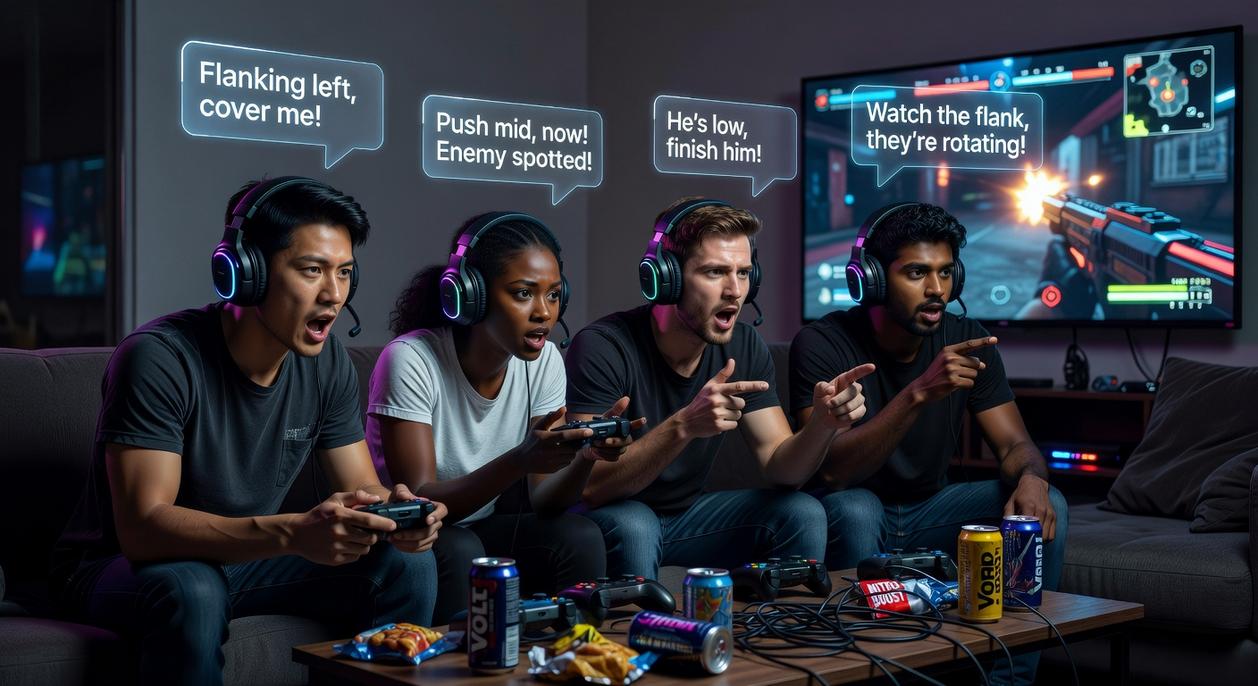
At high levels of play, communication isn’t chatter—it’s infrastructure. When pressure spikes, your team either transmits signal or noise. The difference often decides the round.
Information Hierarchy
First, separate need-to-know from nice-to-know information. Need-to-know refers to time-sensitive data that directly affects decision-making—enemy positions, ability usage, bomb status. Nice-to-know covers background details that can wait.
For example, “Two pushing B, one flashed” matters immediately. “I almost had that duel” does not (save it for post-round). Prioritizing active combat callouts ensures critical intel rises above the chaos.
Standardized Callouts
Next, build a shared lexicon. If one player says “Top” and another imagines a different elevation, hesitation creeps in. Define map locations clearly—“A-Long,” “Mid,” “Top Window”—and stick to them. Consistency reduces cognitive load, which is the mental effort required to process information.
Think of it like air traffic control. Pilots don’t improvise runway names mid-flight (and neither should you mid-clutch).
The Art of the Callout
An effective callout includes three parts: Subject (who), Location (where), and Status (what).
Example: “Enemy sniper, top window, one-shot.”
This structure eliminates guesswork. “One-shot” instantly signals low health; teammates know to swing aggressively. In contrast, vague calls like “He’s there!” force others to waste precious seconds asking follow-ups.
Active Listening & Acknowledgment
However, communication is incomplete without confirmation. A quick “copy” or “heard” signals receipt and intent. This loop—enabled seamlessly through multiplayer voice integration—keeps teams synchronized under stress.
Emotional Regulation
Finally, regulate tone. Frustration clutters comms and fractures morale. A calm voice stabilizes the squad (yes, even after that suspiciously perfect headshot). Controlled delivery preserves clarity, and clarity wins rounds.
Master these pillars, and your team doesn’t just talk better—you execute better.
Your Audio Arsenal: Essential Gear and Settings
Great communication starts with understanding your tools. A quality microphone means your voice is crisp, not crackling or muffled. Think of it like upgrading from blurry standard definition to HD streaming.
- A headset keeps background noise contained.
- A standalone mic often delivers richer sound.
Push-to-Talk (PTT) simply means you press a key to speak. Without it, open mics broadcast every cough and keyboard smash. In multiplayer voice integration, clean channels prevent confusion.
Before matches, test audio levels: loud enough to hear, low enough to avoid clipping. Clipping is distortion from volume.
Forging Victory Through Coordinated Voice
You came here to turn scattered comms into a competitive edge. Now you have the strategic and technical tools to make that happen. No more frustrating, silent losses where miscommunication costs you the win.
When you commit to multiplayer voice integration, standardized callouts, and disciplined execution, your team stops playing as individuals and starts operating as one decisive unit. That shift changes everything.
Don’t let another match slip away because no one made the call. Start in your next game with one clear improvement—define callouts, assign roles, and demand clarity. Build from there. The difference in your results will be undeniable.