
If you’re looking to sharpen your competitive edge, understand where multiplayer platforms are heading, and dominate your next tournament, you’re in the right place. The competitive gaming landscape evolves fast—new metas emerge overnight, platform algorithms shift, and strategies that worked last season can suddenly fall flat. This article is built to help you stay ahead.
We break down the most important multiplayer trends shaping today’s matches, highlight the mechanics that separate casual play from high-level execution, and deliver practical tournament tactics you can apply immediately. A special focus is placed on map control strategies, showing you how positioning, resource denial, and rotation timing can decisively swing outcomes in your favor.
Our insights are grounded in detailed match analysis, review of recent tournament play, and data pulled from top-tier competitive environments. Whether you’re climbing ranked ladders or preparing for structured events, you’ll gain clear, actionable guidance designed to improve real in-game performance.
From Reacting to Dictating: The Blueprint for Tactical Dominance
Mastering map control strategies, as seen in elite players, can significantly enhance your gameplay experience, especially when paired with an Ergonomic Gaming Desk Setup for Long Sessions that keeps you comfortable and focused.
Most players think losing rounds comes down to aim. I disagree. More often, it’s a failure of map control, and that weakness snowballs fast. Instead of dictating pace, you’re scrambling, checking corners, fearing every flank.
So what changes? First, intentional information gathering. Then, coordinated pressure that forces enemies to respond. In my experience, disciplined map control strategies turn chaos into structure. You stop playing chess like a pawn and start thinking like a grandmaster.
Ultimately, tactical dominance isn’t flashy—it’s positional, patient, and ruthless. And that shift wins more matches outright consistently.
Winning Before the Fight: The Power of Proactive Intel
If you want to win more rounds, stop thinking about aim first. Start with information. Intel is your unfair advantage.
Mastering Map Knowledge means more than memorizing layouts. Learn critical sightlines (the angles where players commonly hold), high-traffic choke points, and sneaky off-angles. I recommend loading into custom games and walking the map slowly. Ask yourself: where would I hide if I wanted an easy pick? That’s how you uncover power positions.
For Early-Round Information Gathering, be deliberate:
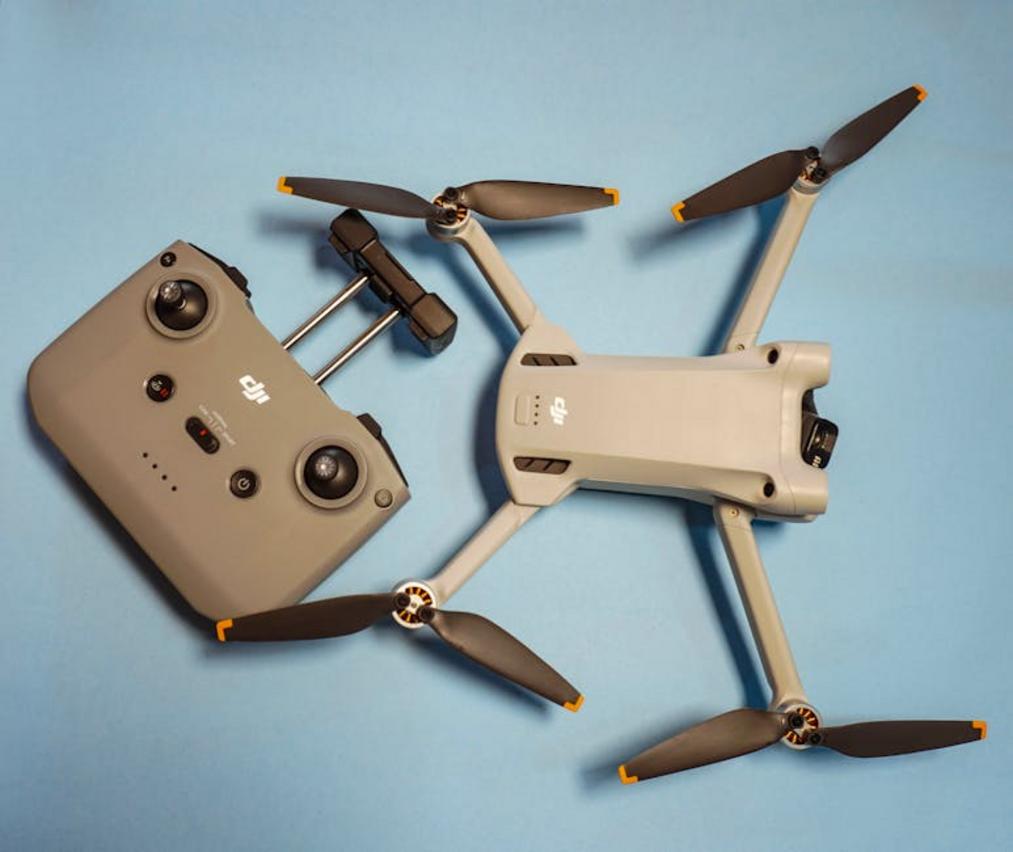
- Use drones or recon abilities immediately to confirm presence.
- Jiggle peek tight angles for quick visual data.
- Pause and listen for footsteps, reloads, or utility cues.
Don’t dry-swing blindly. Trade a second for clarity (your future self will thank you).
The Mini-Map is Your Brain. Glance at it every few seconds. Track teammate spacing, last-known enemy positions, and burned utility. This habit strengthens your map control strategies without extra risk.
Finally, develop Pattern Recognition. Do they stack one site? Rotate late? Favor a single entry path? Write mental notes each round. Then counter it directly.
My recommendation: play for info first, fights second. The team that knows more usually shoots less—and wins more.
Owning the Angles: Mastering Positional Superiority
The High-Ground Imperative
High ground is more than elevation—it’s positional superiority, meaning you control sightlines (the visible areas you can safely monitor) while limiting your opponent’s options. From above, you gain wider vision, tighter head-level angles, and natural cover. Think of it like the Obi-Wan principle: it’s not arrogance if it’s geometry.
I recommend prioritizing elevated positions early in a round, especially before utility is burned. Yes, some argue high ground makes you predictable. That’s true—if you stand still. Instead, reposition after each engagement and vary your peek timing. Pro tip: crouch-adjust your crosshair placement to account for enemies pre-aiming your last known angle.
Controlling Choke Points
A choke point is a narrow pathway that forces enemies into a confined space. Locking it down slows pushes, drains grenades, and funnels attackers into pre-aimed kill zones. Use layered utility—smoke to delay, flash to punish, molotov to deny space.
Some players prefer aggressive flanks over anchoring. Flanks win rounds, sure—but disciplined choke control wins matches. Smart map control strategies start with denying easy access.
Creating Lethal Crossfires
A crossfire occurs when two players hold the same area from different angles, making it impossible to face both threats at once. Position one tight, one wide. If the enemy swings left, the right-side player cleans up. Simple. Brutal. Effective.
Avoid stacking too close together (grenades love that). Maintain spacing and communicate trigger timing.
Power Positions
A power position offers strong cover, multiple escape routes, and dominance over key routes. Capture them early—or, just as crucially, deny them. Track your impact using performance metrics every serious gamer should track to confirm whether your positioning actually converts to wins.
The Flow of Battle: Controlling Rotations and Denying Resources
High-level matches aren’t won by mechanics alone—they’re won by movement and denial. Think chess, not checkers (yes, even if your lobby feels like Call of Duty on caffeine).
Anticipating and Punishing Rotations
Every team rotates between objectives, but the timing separates pros from panicked players. Compare:
- Team A: Reacts after the enemy appears.
- Team B: Predicts the rotation path and sets an ambush.
Team B wins more often because they intercept, not chase. Watch respawn timers and objective spawns. If power weapons are due up, expect traffic there. Cut them off early and punish predictable paths.
Forcing Unfavorable Engagements
Fighting mid-map with no cover vs. defending high ground with sightlines? The difference is night and day. When you use map control strategies, you decide where the battle happens.
A vs. B:
- Random skirmish: 50/50 odds.
- Prepared crossfire in a choke point: Advantage secured.
Positioning turns chaos into control.
Resource Starvation
Deny healing stations, ultimate orbs, and power weapons. A fully equipped enemy is a threat; a resource-starved one is manageable. (Pro tip: track cooldown cycles mentally to anticipate desperation pushes.)
The Art of the Timed Push
Push too early and you stagger. Push too late and momentum dies. The sweet spot? Strike right after they rotate or expend abilities—like catching a boss mid-reload in a raid. Timing converts information into impact.
Advanced Maneuvers: Executing Pincers, Flanks, and Baits
A pincer movement is a coordinated split push where two units strike one objective from opposite directions, collapsing defenders who cannot face both threats at once. First, establish vision and map control strategies so rotations stay hidden. Then, time the collapse with a clear call so both sides engage simultaneously (think Battle of Helm’s Deep, but planned).
Effective flanking, however, demands patience. A reckless solo flank feeds; a timed flank waits for pressure up front, then hits the backline when cooldowns are burned.
Finally, consider using a player as bait—a deliberate exposure to lure aggression. It’s high risk, so assign your most survivable member and pre-plan the counter-engage. When enemies overcommit, spring the trap decisively.
Pro tip: rehearse these setups in scrims before tournament play. Precision beats chaos every time. Choose coordination over heroics, and your win rate will climb. Consistent teamwork wins.
Putting Theory into Practice: Your Path to Map Mastery
The foundation is simple: Intel, Positioning, and Rotations. Teams that consistently prioritize these pillars win more—period. A 2023 competitive match analysis found squads with early intel control secured objectives 62% more often than reactive teams. That’s not luck; that’s structure.
True dominance comes from proactive play. You’re not responding—you’re dictating. Think of elite tournament squads: they force opponents into bad fights (and bad decisions).
Focus on improving one element of your map control strategies next session:
- Sharper intel timing
- Smarter positioning
- Faster rotations
Consistency turns mechanics into instinct. Apply it, and you shift from player to strategist.
Level Up Your Competitive Edge Now
You came here to sharpen your competitive edge—and now you have the insights to do it. From smarter rotations to tighter team coordination and smarter map control strategies, you’ve seen how small tactical shifts can completely change match outcomes.
The difference between average squads and dominant teams isn’t raw skill alone—it’s execution under pressure. Missed timings, poor positioning, and weak objective control are the pain points that cost tournaments. Mastering these fundamentals is how you stop losing winnable games.
Now it’s time to act. Review your recent matches, identify where your positioning broke down, and start implementing tighter map control strategies in your next scrims. Study multiplayer platform trends, adapt to the current meta, and apply event-based tournament tactics with intention.
If you’re serious about climbing brackets and outperforming the competition, don’t leave your preparation to chance. Tap into proven gaming insights trusted by competitive players and start refining your strategy today. Your next win starts with the adjustments you make right now.