

If you’re searching for an edge in competitive gaming, it likely comes down to one critical question: how do you outthink opponents before the match even begins? This article dives straight into the strategies shaping today’s competitive scene, with a sharp focus on draft and ban phase tactics that often decide the outcome long before the first objective spawns.
We break down current multiplayer platform trends, meta shifts, and tournament-tested approaches that top players rely on under pressure. Instead of surface-level tips, you’ll get structured insights drawn from detailed match analysis, scrim data, and high-level tournament play.
Whether you’re preparing for your next ranked climb or refining your team’s event strategy, this guide explains what works, why it works, and how to apply it immediately. From reading opponent patterns to counter-picking with intention, you’ll gain practical, competitive-ready knowledge built on real gameplay breakdowns—not theory alone.
Winning Before the First Move: Mastering the Draft
To sharpen your strategy for upcoming tournaments, consider how the effective tactics outlined in our discussion on drafting and ban phases can be further enhanced by insights from the recent ‘Undergrowthgameline Online Gaming Event.’
Most matches are decided before anyone loads in. The draft is a strategic negotiation where teams select and remove options to shape the battlefield. Think of it like chess with hidden intentions (yes, before the first pawn moves).
Many players misunderstand the difference between a win condition—the primary way your team secures victory—and a counter-pick, a selection designed to weaken a specific enemy choice.
To simplify draft and ban phase tactics:
- PRIORITIZE synergy over comfort picks
- IDENTIFY the opponent’s win condition
- DENY power spikes early
When done right, you create PRESSURE before the countdown even ends.
The Foundation: Defining Your Team’s Identity and Goals
Before you ever lock in a character, you need an identity. Think of your team like a band: if the drummer wants jazz and the guitarist wants metal, the result is noise, not music. So first, know your strengths. Are you built for early aggression (high-pressure play focused on fast advantages), or are you a late-game scaling composition, meaning your power spikes as the match drags on? Some argue flexibility matters more than identity. However, without a core style, flexibility turns into hesitation.
Next, establish a comfort pool—the 3–5 champions or agents each player has truly mastered. Mastery means instinctive execution under pressure (no overthinking skill shots at match point). While counterpicks look flashy, comfort often wins championships. Pro tip: track win rates on comfort picks versus experimental ones; the data can be humbling (and clarifying).
Then, define your win condition—the single sentence explaining how you win. “We dive their backline,” or “We protect our hyper-carry.” Every decision in your draft and ban phase tactics should reinforce that sentence.
Finally, map out your flex picks, characters playable in multiple roles. They’re your chess queens—versatile, threatening, and perfect for keeping opponents guessing. In the end, clarity beats chaos.
Phase 1: Strategic Bans to Shape the Battlefield
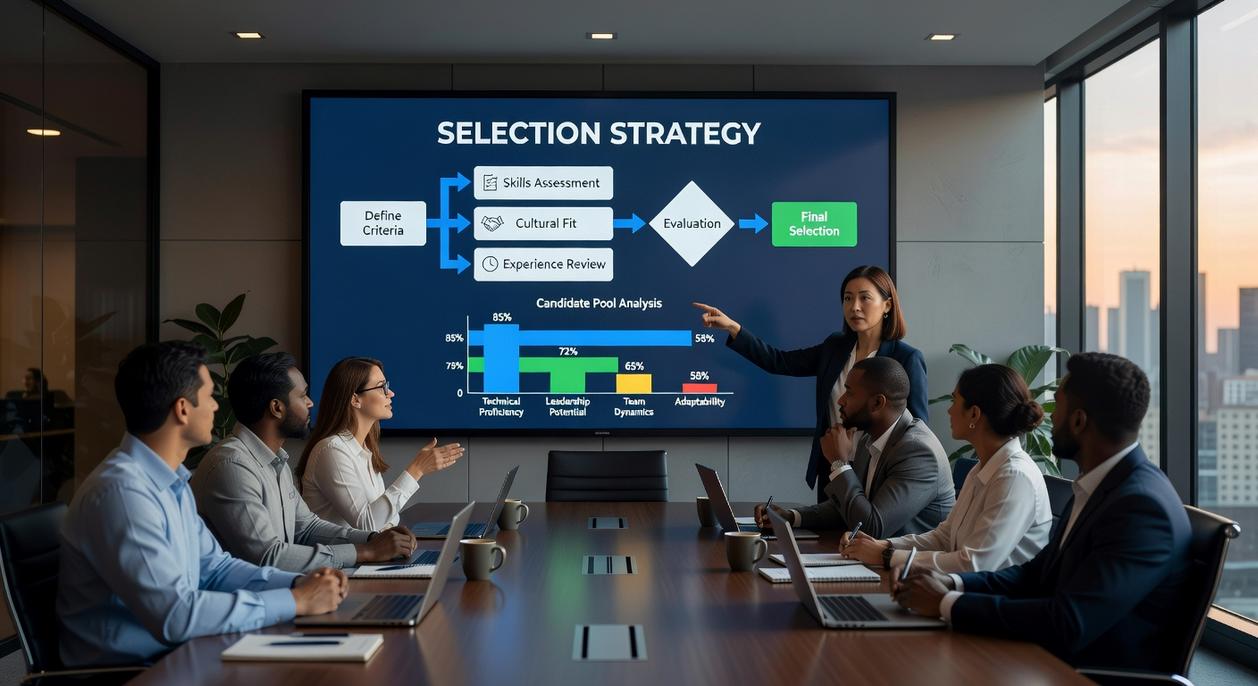
Before the first ability is cast, the real game begins. Strategic bans determine not just who’s played—but how the entire match unfolds. Mastering this stage gives you control, confidence, and a measurable edge before the timer even starts.
First, understand the difference between Meta Bans and Target Bans. Meta Bans remove universally powerful “S-Tier” characters—those statistically dominant picks with high win rates (often above 52% in competitive ladders, according to aggregated esports data reports). On the other hand, Target Bans focus on eliminating a specific opponent’s signature character—the comfort pick they’ve mastered over hundreds of games. If you have reliable intel, target bans often deliver more value. Why? Because forcing a player off their best character can reduce performance dramatically (yes, even the “carry gods”).
However, some argue that banning meta picks is always safer. It’s predictable, data-backed, and avoids surprises. That’s fair—but predictable teams are easier to outmaneuver. When you prioritize smart target bans, you gain psychological leverage and disrupt preparation.
Next, consider Synergy Bans. Instead of removing the flashy damage dealer, ban the enabler—the support or utility character that makes the composition function. Think of it like removing the batteries instead of smashing the remote (cleaner, smarter, more efficient).
Then there’s Baiting and Respect Bans. Leave a powerful pick open to pressure the enemy into banning it themselves. That frees your ban for a strategic threat. Meanwhile, use respect bans against niche counters that dismantle your intended strategy.
Pro tip: Plan your draft and ban phase tactics around your win condition—not fear. Control this phase, and you shape the battlefield before it shapes you.
Phase 2: The Art of Picking and Counter-Picking
I still remember a semifinal where we “won” the early draft—at least we thought we did. We grabbed a flashy assassin first pick, the crowd cheered, and five minutes into the match we realized we’d handed the enemy everything they wanted. Lesson learned.
The Power of the First Pick (FP)
First Pick (FP) refers to the first champion or character selected in a competitive draft. It sets the tone. A strong FP is flexible and reveals little. Think of it like picking Mario in Smash—solid, adaptable, never a giveaway. Niche picks? They’re exciting (and tempting), but easily countered.
Reading the Enemy Draft
After the first 2–3 picks, patterns emerge. Ask yourself:
- Are they stacking area-of-effect abilities for team fights?
- Did they lock split-pushers with teleport or global pressure?
- Are they drafting pick tools for isolating targets?
A win condition—the primary way a team intends to win—often hides in plain sight.
Effective Counter-Picking
A true counter isn’t just lane dominance. It’s strategic denial. If they draft split-push pressure, a global ultimate nullifies it. If they rely on dive, layered crowd control (stuns, slows, roots) shuts it down. In my experience, the best counters feel almost unfair (in a good way).
Rounding Out the Composition
Balance matters. Ensure you have:
- Reliable engage.
- Disengage tools.
- Consistent damage.
- Utility coverage.
Teams that ignore this often lose late—even with early leads. That’s why mastering draft and ban phase tactics is critical, especially during long tournaments where fatigue affects judgment. Reviewing time management tips during multi day esports events can sharpen decision-making under pressure. (Pro tip: draft for execution comfort, not just theory.)
Denial picks win games before they load. In later rotations, grab a character not for synergy, but to block the enemy’s dream combo—think of it as the “I’ll have what they’re having” scene from When Harry Met Sally, but weaponized. In high-level draft and ban phase tactics, disruption is strategy.
The Last Pick Advantage
- Save it for the most matchup-dependent role.
- Lock a hard counter with zero rebuttal.
Finally, align fast:
- Call the primary target.
- Define the first five-minute objective.
A flawless draft without communication? That’s just a beautifully wrapped empty box. Pro tip: confirm win conditions before the timer hits zero.
From Draft Theory to In-Game Victory
The draft is not luck. It’s a structured battle of information, tempo, and intent. When teams ignore that, they fall into random, reactive drafting—and predictable losses follow (usually before the first objective even spawns).
The fix is practical:
• Define your identity before queueing up.
• Ban with purpose, not emotion.
• Pick to enable a clear win condition.
Strong draft and ban phase tactics turn chaos into direction. Clarity beats comfort picks.
Take these frameworks into scrims. Review what worked. Question what failed. Refine, repeat, and enter your next tournament prepared—not surprised.
Dominate Your Next Tournament With Smarter Strategy
You came here to sharpen your competitive edge and understand how smarter decisions win matches before they even begin. Now you’ve seen how refined mechanics, coordinated team play, and especially draft and ban phase tactics directly shape the outcome of high-stakes games.
Most players don’t lose because of mechanics alone — they lose because they misread the meta, ignore synergy, or fail to counter key picks. That pain point is real. Falling short in tournaments often comes down to preparation gaps, not potential.
The edge comes from applying what you’ve learned. Analyze current multiplayer trends. Practice adaptable compositions. Refine your communication. And most importantly, treat draft and ban phase tactics as a weapon, not a formality.
If you’re serious about climbing brackets and outplaying smarter opponents, don’t stop here. Get deeper breakdowns, meta updates, and tournament-ready insights trusted by competitive players who refuse to settle for average performance. Level up your strategy now and turn preparation into podium finishes.

 Patriciavina McMillan writes the kind of expert breakdowns content that people actually send to each other. Not because it's flashy or controversial, but because it's the sort of thing where you read it and immediately think of three people who need to see it. Patriciavina has a talent for identifying the questions that a lot of people have but haven't quite figured out how to articulate yet — and then answering them properly.
They covers a lot of ground: Expert Breakdowns, Core Gaming Insights and Strategies, Multiplayer Platform Trends, and plenty of adjacent territory that doesn't always get treated with the same seriousness. The consistency across all of it is a certain kind of respect for the reader. Patriciavina doesn't assume people are stupid, and they doesn't assume they know everything either. They writes for someone who is genuinely trying to figure something out — because that's usually who's actually reading. That assumption shapes everything from how they structures an explanation to how much background they includes before getting to the point.
Beyond the practical stuff, there's something in Patriciavina's writing that reflects a real investment in the subject — not performed enthusiasm, but the kind of sustained interest that produces insight over time. They has been paying attention to expert breakdowns long enough that they notices things a more casual observer would miss. That depth shows up in the work in ways that are hard to fake.
Patriciavina McMillan writes the kind of expert breakdowns content that people actually send to each other. Not because it's flashy or controversial, but because it's the sort of thing where you read it and immediately think of three people who need to see it. Patriciavina has a talent for identifying the questions that a lot of people have but haven't quite figured out how to articulate yet — and then answering them properly.
They covers a lot of ground: Expert Breakdowns, Core Gaming Insights and Strategies, Multiplayer Platform Trends, and plenty of adjacent territory that doesn't always get treated with the same seriousness. The consistency across all of it is a certain kind of respect for the reader. Patriciavina doesn't assume people are stupid, and they doesn't assume they know everything either. They writes for someone who is genuinely trying to figure something out — because that's usually who's actually reading. That assumption shapes everything from how they structures an explanation to how much background they includes before getting to the point.
Beyond the practical stuff, there's something in Patriciavina's writing that reflects a real investment in the subject — not performed enthusiasm, but the kind of sustained interest that produces insight over time. They has been paying attention to expert breakdowns long enough that they notices things a more casual observer would miss. That depth shows up in the work in ways that are hard to fake.