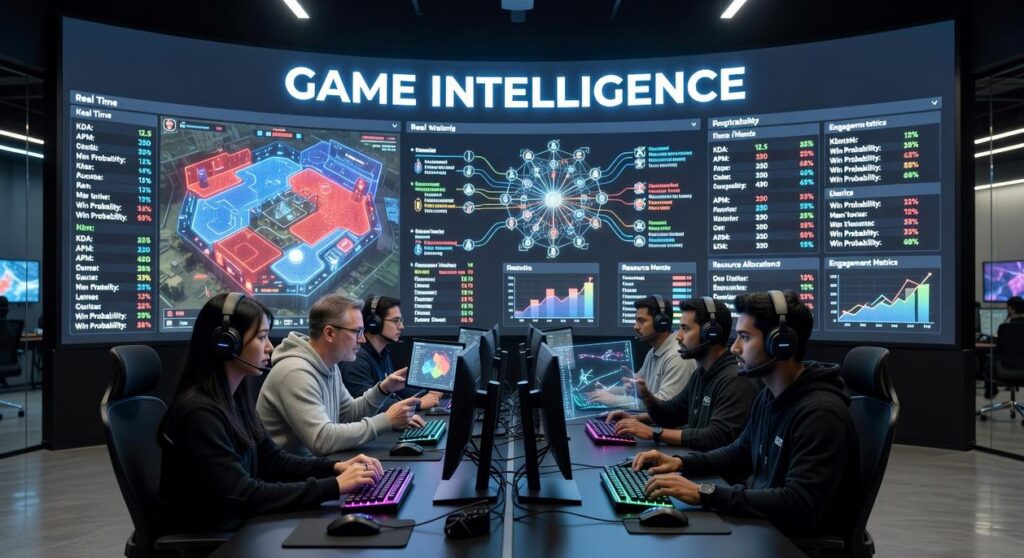

If you’re searching for a clear way to level up your performance in today’s fast-moving multiplayer scene, this guide delivers a structured competitive gaming improvement plan built for real results. Competitive titles evolve constantly—new patches, shifting metas, and smarter opponents mean casual practice is no longer enough. You need focused skill development, strategic awareness, and a deep understanding of platform and tournament trends.
This article breaks down the essential pillars of improvement: mechanical consistency, game-sense refinement, communication systems, and event-based tournament tactics that translate into measurable wins. We analyze current multiplayer patterns, study high-level match data, and reference insights drawn from competitive play environments to ensure every recommendation is practical and relevant.
Whether you’re aiming to climb ranked ladders or prepare for organized events, you’ll find actionable steps designed to sharpen decision-making, tighten execution, and give you a sustainable edge in competitive play.
From Plateau to Peak Performance: Your Competitive Gaming Blueprint
Hitting a skill ceiling in competitive gaming feels brutal: you grind for hours, yet your rank barely moves. More matches aren’t the answer. Instead, adopt a competitive gaming improvement plan built on deliberate practice—track metrics and review replays.
First, diagnose one flaw (aim consistency, map awareness, cooldown timing). Next, design short drills targeting that gap. Then, measure results weekly.
Some argue playtime builds instinct. True—to a point. But structured refinement is what esports pros use to create gains (and yes, it’s less glamorous than highlight reels). Start today and adjust fast.
Building the Champion’s Mindset: The Foundation of Every Win
Have you ever wondered why some players bounce back stronger after a crushing loss while others spiral? The difference is often a growth mindset—the belief that skill isn’t fixed, but built. In other words, every loss is data. Missed shots, poor rotations, bad calls—they’re feedback, not failure (even if it stings).
On the other hand, many competitors obsess over outcome-oriented goals like “win the next match.” Sounds logical, right? Yet process-oriented goals—such as achieving 90% accuracy on a specific drill—create measurable progress. Consistent skill development follows process, not hype.
So how do you manage tilt and performance anxiety? Start with tactical breathing: inhale four seconds, hold four, exhale four. Then add a pre-game mental warm-up—visualize first plays, review cues, reset focus. Simple, repeatable, effective.
Finally, commit to a sustainable schedule. Burnout kills momentum. A structured competitive gaming improvement plan, practiced consistently, beats chaotic grinding every time. Sound familiar?
Mastering the Mechanics: A Deep Dive into Deliberate Practice
Deliberate practice means isolating one specific skill and training it at the edge of your current ability. Not playing “one more ranked.” Not mindlessly grinding. It’s focused, measurable repetition with feedback. Think of it as the difference between shooting hoops for fun and drilling 50 left-hand layups because that’s your weakness (yes, it’s less glamorous).
Some players argue that “just playing the game” builds mechanics naturally. And to a point, that’s true. Scrims on NA servers or late-night EU ladders will sharpen instincts. But research on skill acquisition shows targeted practice accelerates improvement far more than repetition alone (Ericsson, 1993).
In FPS titles, that means aim trainers for flicking, tracking, and target switching—then in-game drills for crosshair placement on common choke points (Dust II mid doors, anyone?) and counter-strafing mechanics.
In MOBA or RTS environments, use practice tools to perfect last-hitting under turret, animation canceling, or high-APM micro cycles without ranked pressure. Ten minutes of clean CS reps beats a messy 40-minute solo queue.
For fighting games, dedicated lab time matters. Drill bread-and-butter combos, block strings, and hit-confirms against a training dummy set to random guard. Frame data isn’t trivia—it’s timing discipline.
Structure sessions intentionally. Start with a 10-minute mechanical warm-up targeting one weakness. Play your matches. Then finish with a 5-minute cool-down reviewing mistakes and re-running failed sequences. This closes the feedback loop (a step most players skip).
If you’re building a competitive gaming improvement plan, mechanics must be modular and measurable. For broader systems thinking, review advanced gaming strategies to improve competitive performance.
Deliberate practice isn’t flashy. But neither is lifting weights—until you see the results.
Outsmarting the Lobby: Developing Your Strategic IQ
If you want to climb consistently, you need more than fast reflexes. You need a system. Start with a structured VOD (Video on Demand) review. After every session, rewatch one win and one loss. Pause at key moments and ask: Why did I rotate here? Why did I take that fight? Why did I lose that engagement? Research in performance psychology shows deliberate self-review accelerates skill acquisition by up to 26% compared to repetition alone (Ericsson, 1993). The goal isn’t to cringe at mistakes—it’s to trace decisions back to their logic.
When studying professionals, avoid passive viewing (that’s just esports Netflix). Instead, break down:
- Positioning: Where are they standing relative to cover and objectives?
- Resource management: When do they conserve ultimates, ammo, or economy?
- Decision timing: What triggers their rotations or disengagements?
In League of Legends, for example, pro teams rotate within 30–45 seconds of objective spawn. That timing isn’t random; it’s meta-driven. Understanding the game’s meta—the most effective tactics available—means tracking win-rate data, patch notes, and pick/ban trends. Sites like OP.GG and official patch statistics provide measurable proof of shifting power dynamics.
To sharpen in-game awareness, build habits:
- Track enemy cooldowns verbally or mentally.
- Glance at the minimap every 5–10 seconds (studies on attention cycling in FPS players show higher-ranked players check twice as often).
- Note economic breakpoints before committing to fights.
Think of this as your competitive gaming improvement plan. Strategy isn’t guesswork; it’s processed information under pressure. And the more intentional your analysis, the smarter—and scarier—you become in the lobby.
The Feedback Loop: How to Analyze and Adapt Your Play
Most players track wins and losses. That’s surface-level data. Instead, define KPIs (Key Performance Indicators)—specific, measurable stats that reflect performance quality. For example, accuracy percentage in FPS titles, creep score per minute in MOBAs, damage per round in tactical shooters, or kill participation rate. These metrics reveal consistency (and inconsistency) far better than a scoreboard.
However, raw stats aren’t enough. Keep a simple performance journal and log one mistake or takeaway per session. Over time, patterns emerge—late rotations, poor crosshair placement, panic ultimates (we’ve all been there).
Next, seek external feedback. A higher-ranked friend, coach, or community VOD review can expose blind spots you literally can’t see yourself. Cognitive bias—our brain’s tendency to protect our ego—often hides flaws (American Psychological Association).
Finally, adjust your competitive gaming improvement plan around your weakest KPI. If your damage per round lags, structure drills accordingly. Pro tip: fix one weakness at a time for faster gains.
You’re not average anymore. You now have a complete framework that separates you from players who just queue and hope.
The truth is simple: stagnation isn’t solved by grinding more hours. It’s solved by executing a competitive gaming improvement plan built on structure, review, and intent.
This system works because it turns “get better” into manageable steps:
- Pick one skill.
- Track it daily.
- Review results weekly.
Start small. Choose one drill from https://thehakevent.com and commit for seven days. Measure it. Adjust it. Repeat.
Smart reps beat mindless volume. Progress compounds when focus replaces frustration. Stay consistent daily.
Level Up Your Competitive Edge Today
You came here to sharpen your edge in competitive play—and now you have the strategic insights, multiplayer trends, and tournament-tested tactics to do exactly that.
The difference between casual competitors and consistent winners isn’t talent alone. It’s structure. It’s adaptation. It’s having a clear competitive gaming improvement plan that turns practice into measurable progress.
If you’re tired of plateauing, missing key plays, or falling short in high-stakes matches, the solution isn’t more random grinding. It’s smarter preparation, deeper meta awareness, and intentional performance analysis.
Here’s your next move: Apply what you’ve learned today in your next session. Review your gameplay. Track your weaknesses. Refine your strategy before your next event. And if you’re serious about climbing rankings and dominating tournaments, plug into proven insights trusted by serious competitors who play to win.
Stop guessing. Start improving with purpose. Your next competitive breakthrough starts now.