
If you’re searching for a real edge in competitive gaming, you’re likely looking for more than basic tips—you want proven strategies that actually translate into wins. This guide is built specifically for players who want to level up their online gaming tournament preparation with practical insights, platform trends, and tactical breakdowns that reflect how today’s competitive scenes truly operate.
Tournaments are evolving fast. Meta shifts, multiplayer balancing updates, and new competitive formats can quickly change what it takes to succeed. Many players struggle not because they lack skill, but because they lack structured preparation and a clear understanding of event dynamics.
In this article, you’ll find detailed guidance on pre-tournament routines, strategic planning, opponent analysis, and in-game adaptability. Our insights are grounded in deep analysis of multiplayer trends, competitive formats, and real tournament play—so you can prepare smarter, compete confidently, and maximize your performance when it matters most.
Talent is common; structured execution is rare. I’ve seen mechanically gifted players crumble under stage lights, and honestly, it’s almost always preparation—not skill—that’s missing. First, build deliberate practice blocks: short, focused sessions targeting specific weaknesses (think aim tracking, rotation timing, or resource management). Next, simulate pressure. Scrim with stakes or stream your matches to recreate nerves. This is where online gaming tournament preparation becomes real, not theoretical.
However, don’t ignore recovery. Sleep, hydration, and reset rituals matter more than most admit. In my view, consistency beats flashy plays every time—Rocky-style montages are fun, but boring reps win brackets consistently now.
Mastering the Mental Meta: Building a Champion’s Mindset
If you want consistent results, start by setting CLEAR, ACHIEVABLE goals. Decide what success actually means for you: a tournament win, a top 8 finish, or measurable improvement. Vague ambition creates vague outcomes.
Next, adopt a growth-oriented mindset. Treat every match as data. Losses aren’t proof you’re bad; they’re feedback. Review replays, note positioning errors, and adjust strategy (yes, even if it stings).
To stay tilt-proof, identify your warning signs—tight shoulders, rushed clicks, negative self-talk. Then install a reset ritual:
- 10 seconds of controlled breathing
- One tactical reminder
- One confident affirmation
USE IT EVERY TIME.
Visualization is your edge. Mentally rehearse clutch plays and calm reactions before high-pressure rounds. Research in sports psychology shows imagery improves performance and confidence (American Psychological Association).
For serious online gaming tournament preparation, schedule focused scrims, rest properly, and simulate bracket pressure. Train your mind like it’s game five of the finals—because eventually, it will be.
Deep Practice: Forging Elite In-Game Skill
Most players think improvement comes from grinding more matches. That’s only half true. Repetition without reflection hardwires mistakes. If you want elite in-game skill, you need deep practice—focused, structured, and intentional training.
Deconstruct the Current Meta
Don’t just copy what wins tournaments. Ask why it works. Patch notes often signal balance shifts (buffs, nerfs, economy tweaks) that reshape strategy. When analyzing pro VODs (Video on Demand recordings of past matches), pause frequently:
- Why did they rotate at that moment?
- What information triggered that ability usage?
- How did they manage cooldowns and resources?
Some argue that the meta only matters for top-tier players. But understanding it helps at every rank because it reveals optimal decision-making patterns (and shows you what to expect from opponents).
Implement a Structured Practice Routine
Playing endlessly feels productive—but it’s not precise. Break your sessions into blocks:
- Mechanical drills (aim trainers, movement reps)
- Strategy review (map control, timing windows)
- Replay analysis
Pro tip: Track one improvement metric per week. Trying to fix everything at once leads to overload.
The Power of Self-Review (VODs)
Record your own matches. Watching yourself removes in-the-moment stress and exposes habits you didn’t notice—late rotations, poor positioning, wasted ultimates. It’s uncomfortable (no one enjoys seeing their mistakes), but it accelerates growth dramatically.
Learn from the Pros—Actively
Passive viewing won’t cut it. Treat streams like study sessions, especially if you’re preparing for online gaming tournament preparation. Focus on micro-decisions: spacing, timing, resource trades. Elite play isn’t magic—it’s layered, deliberate choices made faster than everyone else.
Synergy and Shot-Calling: Excelling in Team Events
First, find the right teammates. Look for complementary skill sets (meaning abilities that fill each other’s gaps), equal commitment, and steady attitudes. Sure, some argue raw talent alone wins tournaments. But even superstar lineups collapse without trust and structure—just ask any “dream team” that flamed out early.
Next, establish concrete roles. Define your in-game leader (IGL)—the player responsible for strategic calls—and clarify responsibilities for early, mid, and late-game phases. Clear hierarchy prevents hesitation (and those awkward “Who’s calling?” moments).
Then, optimize your comms. Create shorthand for critical info and eliminate emotional clutter. Calm, concise callouts beat frantic rambling every time.
After that, build cohesion through scrims. Structured practice against organized teams simulates pressure and sharpens execution. For deeper preparation insights, review pre tournament practice routines used by top competitors.
Ultimately, strong online gaming tournament preparation raises a bigger question: what’s next? Refine VOD reviews, track mistakes, and evolve strategies—because synergy isn’t built once; it’s maintained.
Optimizing Your Battlestation for Peak Performance
Winning rarely comes down to talent alone; it’s preparation. In online gaming tournament preparation, small technical gaps create massive performance differences.
Start with hardware. A clean, tested mouse and keyboard vs. dusty, double-clicking gear? That’s precision vs. panic. Pro tip: keep backup cables within reach (because they fail at the worst possible moment).
| Component | Optimized Setup | Neglected Setup |
|————|—————–|—————–|
| Mouse/Keyboard | Clean, tested, low latency | Sticky keys, input lag |
| Software | Updated drivers, max FPS | Background apps, frame drops |
| Connection | Wired ethernet | Unstable Wi‑Fi |
| Ergonomics | Neutral posture | Slouching fatigue |
Some argue visual fidelity matters more than frames. But 240 FPS vs. cinematic shadows? Performance wins—studies show higher frame rates improve reaction time (NVIDIA, 2023).
Finally, posture: aligned monitor and lumbar support vs. back strain and mental fog. Endurance isn’t optional; it’s a competitive edge (and your spine will thank you).
Executing on Game Day: A Pre-Match Checklist
The Essential Warm-Up
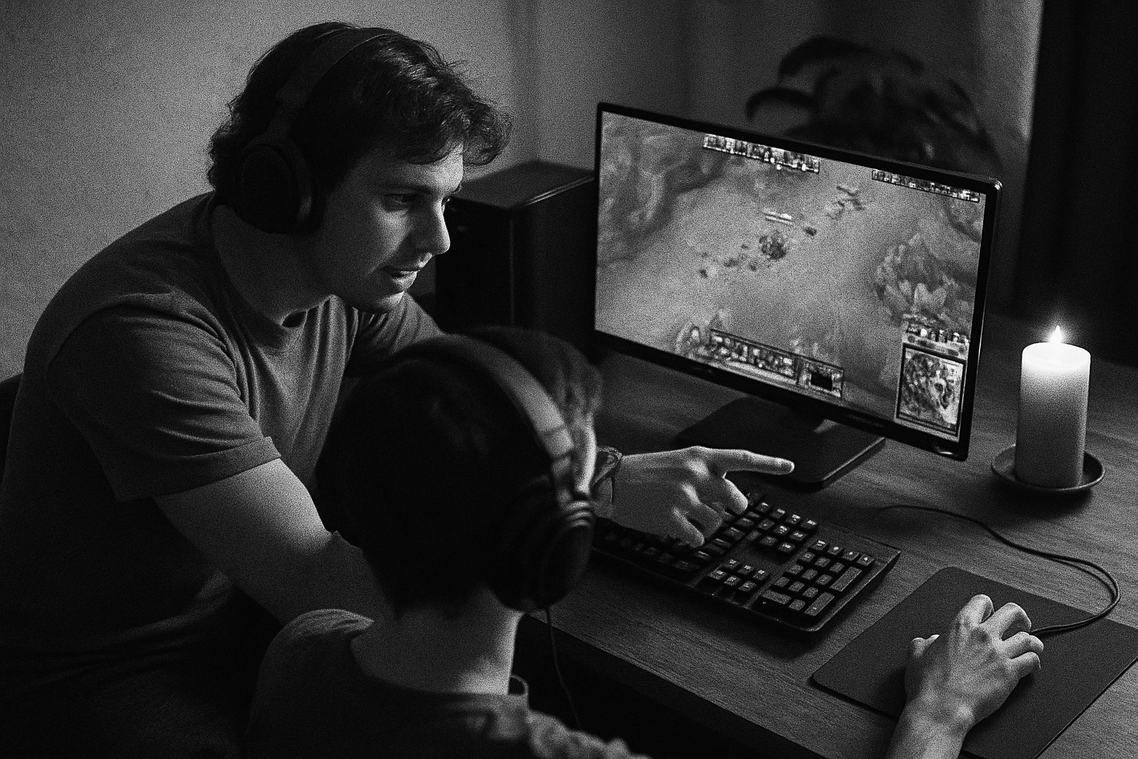
Never enter your first match cold. Spend 30–60 minutes drilling core mechanics—aim tracking, movement routes, cooldown timing. Structured reps sharpen muscle memory, reduce early-match mistakes, and stabilize reaction speed.
Fuel Smart
Prep water, nuts, or fruit for steady glucose release. Avoid sugar-heavy drinks that spike then crash energy. Hydration supports cognitive processing and sustained focus.
Scout Early Opponents
Review bracket data and VODs. Identify preferred comps, pacing, and risk patterns. This recon gives you counterplay options before queues open, a cornerstone of online gaming tournament preparation.
Your Blueprint for Competitive Success
You now hold the same framework elite players rely on. The difference? Execution. Competitive wins aren’t lucky streaks—they’re engineered outcomes built on preparation that sharpens mindset, mechanics, and environment.
Some argue raw talent or reflexes matter most. They help—but without structure, talent collapses under pressure (we’ve all seen the “ranked warrior” freeze on stage). Real success in online gaming tournament preparation comes from discipline.
Here’s what I recommend:
- Train with intention: Review replays and fix one mistake at a time.
- Simulate pressure: Practice under timed, high-stakes conditions.
- Control variables: Optimize gear, internet stability, and sleep.
Commit fully. Prepare thoroughly. Compete confidently.
Ready to Level Up Your Competitive Edge
You came here to sharpen your strategy and gain a real advantage in today’s competitive scene—and now you have the insights to do exactly that. From understanding multiplayer platform trends to breaking down tournament tactics, you’re better equipped to approach online gaming tournament preparation with clarity and confidence.
The biggest frustration for competitive players isn’t lack of talent—it’s lack of structure. Going into tournaments without a clear prep system, without studying meta shifts, or without refining team coordination is what holds most players back. Now you know how to avoid that trap.
The next step is simple: put this into action. Review your current training routine, analyze your recent matches, and apply these tactical adjustments before your next event. If you’re serious about climbing brackets and outperforming the competition, don’t leave your preparation to chance.
Get the insights, refine your strategy, and start preparing smarter today. Your next tournament win depends on what you do now.