
Competitive gaming is evolving fast—and staying ahead means understanding more than just mechanics. If you’re here, you’re likely looking for deeper insight into current multiplayer platform trends, smarter tournament preparation, and strategies that actually translate into wins. This article is designed to break down exactly what’s shaping today’s competitive landscape and how you can use that knowledge to sharpen your edge.
We analyze live match data, study shifting meta patterns, and review real tournament outcomes to identify what consistently works. From core gameplay adjustments to advanced opponent analysis for tournaments, you’ll get practical, experience-backed insights you can apply immediately.
Whether you’re preparing for your next bracket, refining your team coordination, or adapting to platform-level changes, this guide focuses on what truly impacts performance. No fluff—just actionable breakdowns built around how competitive gaming is actually being played right now.
Why Going in Blind Is a Losing Strategy
It’s tempting to rely on raw skill alone. Some argue that over-preparation creates hesitation and kills instinct. But tournaments aren’t ranked ladders; they’re chess matches at full speed. Going in blind means surrendering predictable edges. Opponent analysis for tournaments turns guesswork into structure. You gather replays, define patterns (recurring strategic habits), and map tendencies under pressure. For example, if a team always rotates late after losing mid-control, that’s exploitable timing. Critics say adaptation mid-game is enough. But adaptation without prior data is just reacting. Preparation lets you dictate pace, not chase momentum.
Building Your Competitor Dossier: Where to Look and What to Collect
First and foremost, start with the gold standard: VODs (video recordings of past matches) and full replays. Focus on recent tournament or ranked ladder games, especially against teams that mirror your playstyle. In fact, a 2023 Esports Charts report found that teams reviewing at least five recent match VODs improved map win rates by up to 12% over a season. That’s not theory—that’s pattern recognition in action. Moreover, timestamp critical rounds where momentum shifts (eco wins, clutch plays, failed executes).
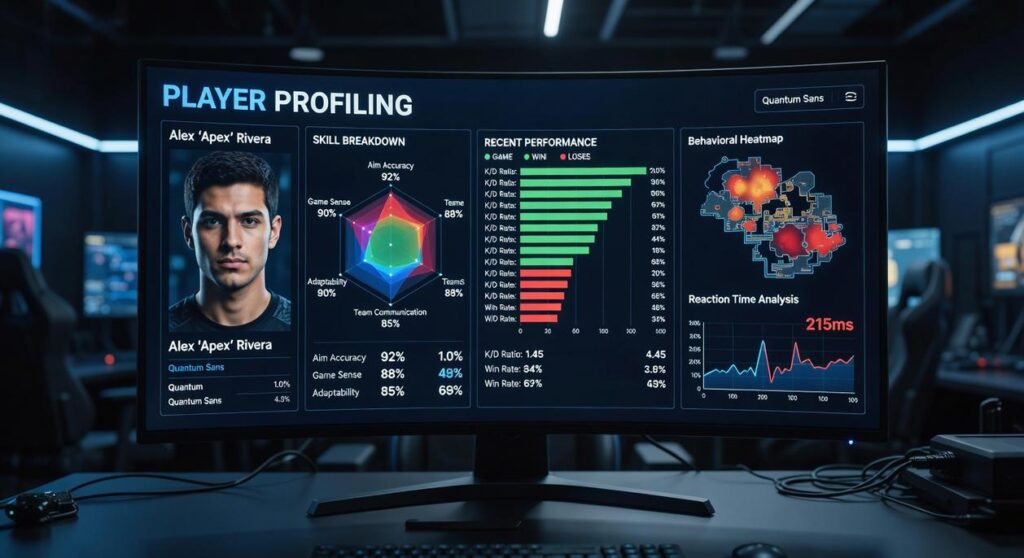
Next, layer in data-driven insights. Stat-tracking platforms reveal objective metrics like map-specific win rates, agent compositions, K/D ratios (kill-to-death performance), and accuracy percentages. For example, if a player’s accuracy drops 8% on tighter maps, that’s exploitable. Consequently, numbers validate what your eyes suspect.
Meanwhile, don’t overlook passive intel. Social posts and public comms often expose frustrations (“We hate Split”) or comfort picks. It’s subtle, but revealing (players vent more than they realize).
Finally, organize everything into a clean, shareable dossier. Include links, stats, and clipped rounds. This structured opponent analysis for tournaments turns scattered info into strategy. After all, preparation beats raw talent when pressure hits.
Decoding the Grand Strategy: Identifying Team-Wide Tendencies
I once prepped for a semifinal convinced our opponents were slow and reactive. Five minutes into game one, they rushed every early objective and snowballed the map. We hadn’t mis-aimed—we’d misread their identity. That loss taught me this: before mechanics, before drafts, you need clarity on pacing, priorities, and patterns.
Pacing and Tempo Analysis
First, define tempo—the speed at which a team creates pressure and forces decisions. Some squads are relentless, triggering early engages and fast rotations (think “all gas, no brakes”). Others scale patiently, delaying fights until late-game power spikes. Track their execute timings and average rotation windows. If they spike at minute ten consistently, that’s not coincidence—it’s philosophy.
Objective Philosophy
Next, assess whether they value map control (vision, territory, neutral objectives) over raw eliminations. Teams that prioritize structure reward disciplined crossfires and layered setups. Conversely, mechanically dominant rosters bait duels and trust aim. In opponent analysis for tournaments, I charted objective trade rates versus kill participation to reveal this bias.
| Category | Aggressive Team | Methodical Team |
|———–|—————-|—————-|
| Tempo | Early engages | Late scaling |
| Objective Focus | Snowball via kills | Control via vision |
| Rotation Style | Fast collapses | Structured shifts |
Economic Patterns
In economy-based titles, note force-buys (spending despite low resources). Frequent force-buys signal risk tolerance; disciplined save rounds suggest long-term planning.
Compositional Rigidity vs. Flexibility
Finally, study draft habits. Do they lock comfort picks regardless of map? Or flex adaptively? Rigid teams are predictable; flexible ones demand deeper prep. Pro tip: review at least five recent matches to confirm a true trend, not a one-off experiment.
Zooming In: Pinpointing Individual Player Habits
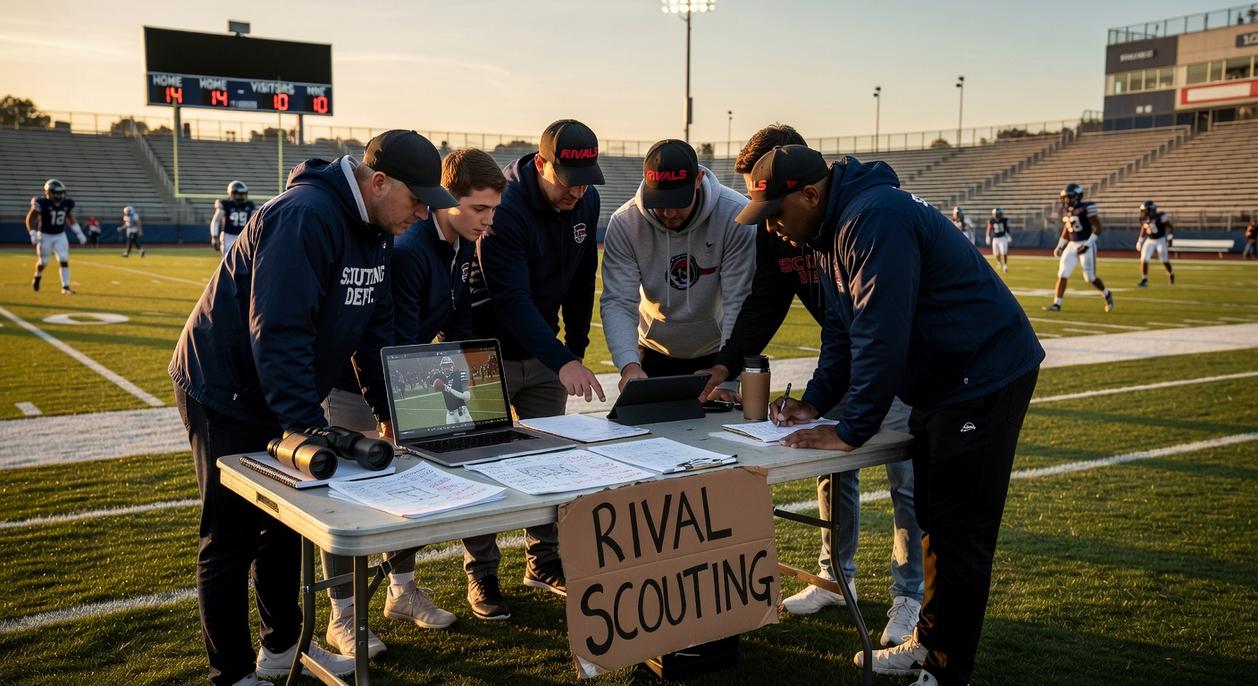
Winning tournaments isn’t just about aim—it’s about pattern recognition. The teams that consistently advance are masters at player-level analysis, breaking opponents down to habits, timing, and decision-making under pressure.
Identify the Lynchpin
Every roster has a centerpiece—the star fragger or in-game leader (IGL, the strategic shot-caller). Watch how the team rotates around them. Do they funnel resources into this player? Do executes stall if they fall early? Signature tendencies matter: maybe they always re-peek after first contact or default to a comfort position in overtime. Under pressure, players revert to habit (even pros).
Find the Exploitable Habit
Look for predictable behavior:
- A defender who over-extends after gaining info
- A controller who drops utility at the same timestamp
- A sniper who holds one comfort angle every gun round
These are pressure points. Counter-stratting—designing tactics specifically to punish these habits—turns predictability into free rounds. (Yes, even the “unreadable” superstar has patterns.)
Role-Specific Patterns
Entry fraggers often path the same way during site hits. Support players typically anchor in repeatable post-plant spots. Lurkers prefer familiar flank timings. Mapping these routes lets you pre-aim, pre-utility, and pre-rotate with confidence.
Ultimate/Special Ability Usage
Game-changing abilities—ults, power plays, or cooldown-based skills—can be proactive (to initiate fights) or reactive (to recover). Track frequency and timing. Baiting these out early forces uncomfortable mid-round calls.
Use opponent analysis for tournaments in the section once exactly as it is given to refine these reads before high-stakes matches. For broader event prep, review preparing for lan tournaments a complete competitor checklist.
The benefit? Cleaner reads, smarter trades, and fewer surprises when it matters most.
Turning Intel into Victory: Developing a Counter-Gameplan
I still remember a semifinal where we had pages of notes—and still lost pistol round because we hesitated. That’s when I learned intel only matters if it becomes action.
First, exploit weaknesses. If a player always peeks the same angle (a predictable early duel), set up a trade-frag—meaning a teammate swings immediately after contact to secure the return kill—or burn utility to isolate them. It’s basic opponent analysis for tournaments, but applied with intent. (And yes, sometimes it feels like setting a trap in a heist movie.)
Next, deny strengths. If they thrive on fast map control, slow the tempo with layered utility. If their star player creates space, double up early and force someone else to carry.
Then, build an “If-Then” plan: If they default, we execute Plan A. If they rush, we pivot instantly.
Finally, condense everything into 3–5 sharp pre-match cues. Too much information? That’s analysis paralysis—and it loses rounds.
Preparation Wins Championships
Your competitive edge is earned before the match begins. When you commit to opponent analysis for tournaments, uncertainty shrinks and strategy sharpens. The anxiety of unknown teams fades, replaced by a clear, repeatable plan.
- STUDY patterns, map tendencies, and communication habits.
VICTORY FAVORS PREPARATION, not luck. ALWAYS.
You came here looking for clarity on how to sharpen your competitive edge, understand multiplayer platform trends, and approach events with smarter tactics. Now you have a clearer roadmap—one built on preparation, adaptability, and precise execution when it matters most.
The difference between early elimination and a podium finish often comes down to preparation. If you ignore opponent analysis for tournaments, you risk walking into matches blind—reacting instead of controlling the pace. But when you study patterns, anticipate strategies, and refine your event-based approach, you shift from guessing to executing with confidence.
The next move is yours.
Ready to Dominate Your Next Tournament
If you’re tired of falling short in high-stakes matches, it’s time to level up your preparation. Get deeper competitive insights, master opponent analysis for tournaments, and apply proven event tactics that top players rely on. Join thousands of competitive gamers already sharpening their edge—start refining your strategy today and step into your next tournament ready to win.

 Patriciavina McMillan writes the kind of expert breakdowns content that people actually send to each other. Not because it's flashy or controversial, but because it's the sort of thing where you read it and immediately think of three people who need to see it. Patriciavina has a talent for identifying the questions that a lot of people have but haven't quite figured out how to articulate yet — and then answering them properly.
They covers a lot of ground: Expert Breakdowns, Core Gaming Insights and Strategies, Multiplayer Platform Trends, and plenty of adjacent territory that doesn't always get treated with the same seriousness. The consistency across all of it is a certain kind of respect for the reader. Patriciavina doesn't assume people are stupid, and they doesn't assume they know everything either. They writes for someone who is genuinely trying to figure something out — because that's usually who's actually reading. That assumption shapes everything from how they structures an explanation to how much background they includes before getting to the point.
Beyond the practical stuff, there's something in Patriciavina's writing that reflects a real investment in the subject — not performed enthusiasm, but the kind of sustained interest that produces insight over time. They has been paying attention to expert breakdowns long enough that they notices things a more casual observer would miss. That depth shows up in the work in ways that are hard to fake.
Patriciavina McMillan writes the kind of expert breakdowns content that people actually send to each other. Not because it's flashy or controversial, but because it's the sort of thing where you read it and immediately think of three people who need to see it. Patriciavina has a talent for identifying the questions that a lot of people have but haven't quite figured out how to articulate yet — and then answering them properly.
They covers a lot of ground: Expert Breakdowns, Core Gaming Insights and Strategies, Multiplayer Platform Trends, and plenty of adjacent territory that doesn't always get treated with the same seriousness. The consistency across all of it is a certain kind of respect for the reader. Patriciavina doesn't assume people are stupid, and they doesn't assume they know everything either. They writes for someone who is genuinely trying to figure something out — because that's usually who's actually reading. That assumption shapes everything from how they structures an explanation to how much background they includes before getting to the point.
Beyond the practical stuff, there's something in Patriciavina's writing that reflects a real investment in the subject — not performed enthusiasm, but the kind of sustained interest that produces insight over time. They has been paying attention to expert breakdowns long enough that they notices things a more casual observer would miss. That depth shows up in the work in ways that are hard to fake.