The final match of a major tournament isn’t won on mechanics alone—it’s decided by who can outlast the pressure. While most aspiring pros grind aim drills and strategy, few prepare for the mental drain and physical toll that build across a multi-day event. That’s where champions separate themselves. This guide breaks down the real edge: managing fatigue in esports events. You’ll learn how to control energy, sharpen focus, and optimize recovery so your decision-making stays crisp under bright lights and roaring crowds. Master these tactics, and your performance on day three will be just as dominant as your first match.
The High Cost of Burnout: Why Stamina Trumps Skill Under Pressure
Live tournaments don’t just test skill—they trigger biology. Under pressure, your body releases cortisol (a stress hormone) and adrenaline (the fight-or-flight chemical). In short bursts, they sharpen focus. Over hours, however, they erode reaction time, decision-making, and communication (yes, even your usually crisp callouts).
At home, conditions are controlled. On stage, it’s different:
- Crowd noise and bright lights
- Travel fatigue and poor sleep
- Unfamiliar gear and seating setups
Consequently, you accumulate what I call performance debt—each match feels harder not because rivals improve, but because your cognitive reserves shrink. Think of it like a stamina bar; once drained, mechanics follow.
Some argue skill alone carries players. Yet research shows sustained stress impairs executive function (American Psychological Association). So managing fatigue in esports events becomes strategic, not optional.
Looking ahead, I predict teams will invest more in recovery protocols and stress training. If you’re serious, start with how to prepare for online gaming tournaments step by step.
The Pre-Event Blueprint: Arriving Primed to Compete
I learned this the hard way. At one major tournament, I slept five hours the night before and told myself adrenaline would carry me. It didn’t. By match three, my reactions felt half a second behind (which in esports might as well be a lifetime).
1. Sleep Banking
First, focus on the week before—not just the final night. Sleep banking means building a small “surplus” of rest by consistently getting 8–9 hours per night. Research shows extending sleep improves reaction time and accuracy in competitive tasks (Mah et al., 2011). In other words, you’re pre-loading recovery. Pro tip: keep bed and wake times consistent, even on weekends.
2. Travel and Acclimatization
If crossing time zones, arrive at least 48 hours early. Immediately switch to local meal and sleep times. Jet lag—your body’s clock being out of sync—kills focus. Also, hydrate aggressively during travel (airplanes are basically flying deserts).
3. Strategic Nutrition Planning
Next, don’t gamble on venue food. Pack familiar, low-sugar snacks like nuts, protein bars, and fruit. Plan meal timing to prevent crashes.
4. Mental Rehearsal
Finally, visualize the entire day. I picture warm-ups, breaks, even breathing resets between maps. It’s underrated for managing fatigue in esports events—and it keeps you steady when pressure spikes.
Mid-Tournament Tactics: Your In-Game Recovery Playbook
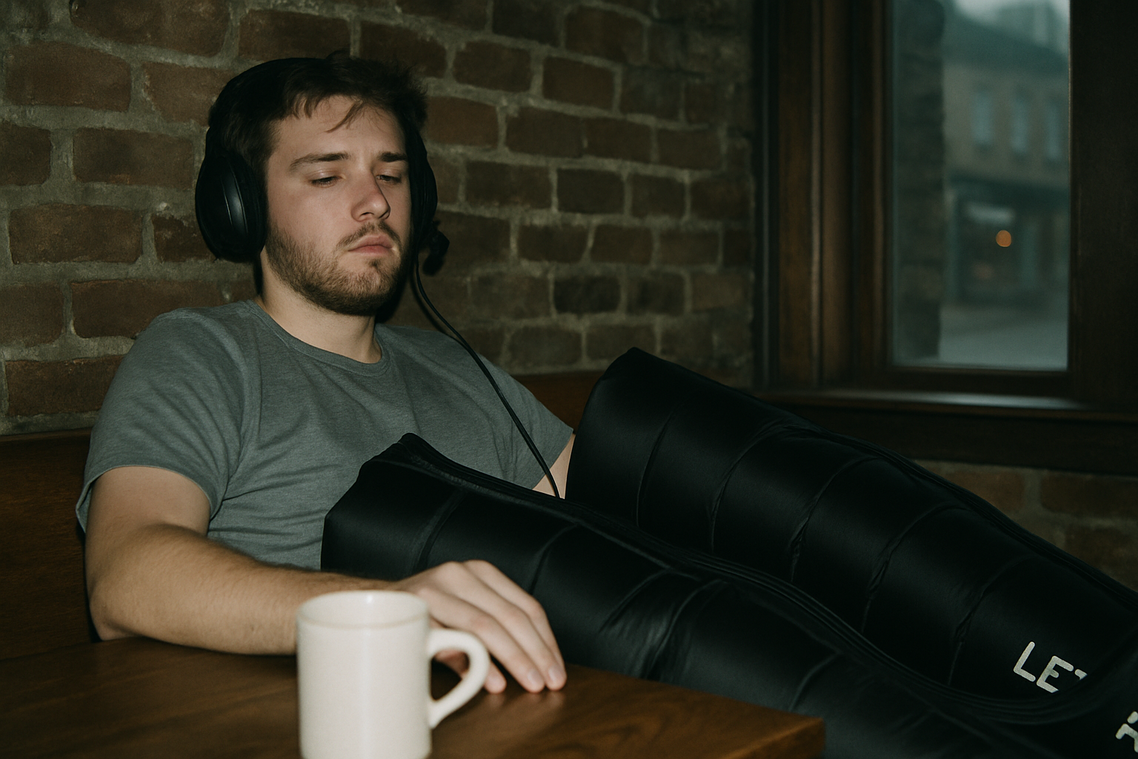
Skill gets you into the bracket. Recovery keeps you there. Mid-tournament performance often comes down to one simple choice: reactive habits vs. deliberate resets.
The Micro-Reset: Tilt vs. Tactical Pause
After a tough round, most players either spam queue mentally (“Go again!”) or replay mistakes in their head. Option A drains focus. Option B rebuilds it.
Use the 60–90 seconds between rounds for a tactical reset. Close your eyes. Take three deep box breaths—inhale for 4, hold for 4, exhale for 4, hold for 4. Unclench your jaw. Relax your hands. This lowers cortisol, the body’s primary stress hormone (American Psychological Association), and steadies decision-making. Think of it as a system reboot, not a surrender.
Active Recovery: Chair Camping vs. Movement
Sitting between matches feels efficient. It’s not.
Remaining glued to your setup increases stiffness and mental fatigue. Instead, stand up immediately. Walk to a quiet area. Do light stretches for your neck, wrists, and hips. Even brief movement improves circulation and alertness (Harvard Health). For managing fatigue in esports events, motion beats stillness every time.
Hydration & Fueling: Spikes vs. Stability
Chugging water when you’re parched? Too late. Sip consistently.
Skipping food, then grabbing candy? Energy spike—then crash. Choose small, digestible snacks like a banana or almonds to maintain steady blood sugar (Mayo Clinic). Stable fuel equals stable aim.
Screen Breaks: Scroll vs. Reset
Phone scrolling during downtime strains your eyes further. Follow the 20-20-20 rule: every 20 minutes, look 20 feet away for 20 seconds (American Optometric Association).
Rest your eyes like you rest your mechanics. Champions recover on purpose.
The Post-Match Protocol: Winning the Critical Cool-Down Window
“Don’t touch the VOD yet,” our coach said, holding the door open. “Fifteen minutes. No strat talk.”
That mandatory decompression time isn’t laziness—it’s regulation. After a match, cortisol (the body’s primary stress hormone) is elevated, win or lose. Step outside. Breathe. Sit in silence. One player told me, “Those quiet minutes save me from saying something I regret.” (He’s not wrong.)
Next comes nutrient replenishment. Within 30–60 minutes, aim for a 3:1 ratio of complex carbohydrates to protein—think rice and chicken, oats and Greek yogurt. According to the International Society of Sports Nutrition, post-competition carbs restore glycogen while protein supports muscle repair (JISSN, 2017). Pro tip: prep this meal before match day so you’re not scavenging vending machines.
Only later do you schedule a structured, emotionless debrief. “Review when your heart rate’s normal,” a team analyst once said. Distance sharpens objectivity and prevents burnout—key for managing fatigue in esports events.
Finally, optimize sleep. Cool the room to 65–68°F (18–20°C), use blackout curtains, and switch your phone to airplane mode an hour before bed. As one veteran put it, “Treat the hotel like a recovery lab.”
Because championships aren’t won in the chaos after the match—they’re secured in the calm that follows.
Integrating Recovery as a Core Competitive Skill
At the highest levels of competition, managing fatigue in esports events is not optional—it’s a defining advantage. You set out to find a way to stop underperforming because of preventable exhaustion, and now you know the answer: treat recovery as a skill, not an afterthought. When your energy systems are optimized, your aim sharpens, your decisions speed up, and your consistency skyrockets.
Don’t let burnout cost you another tournament. Start with one change today—a Micro-Reset between matches or a structured post-game refuel. Champions train hard. Elite players recover smarter. Commit now and turn endurance into your edge.